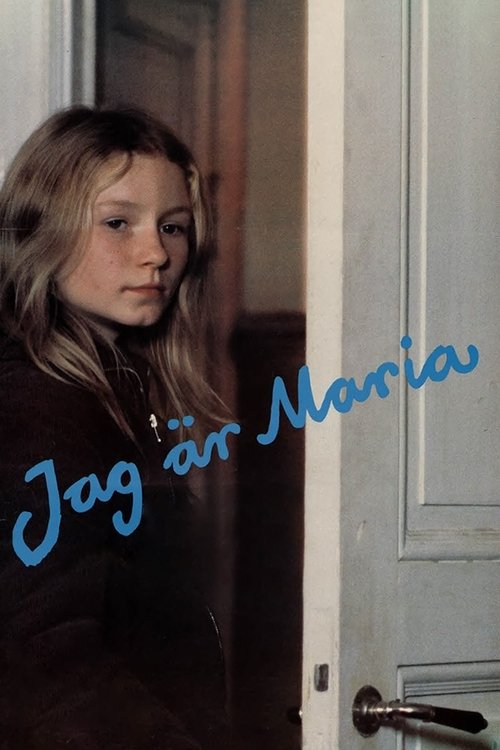
I Am Maria
1979
No user ratings available yet
Representation score: 2.3 out of 10

Representation Score
Fair
1967
PGDirector
Robert Angus
Runtime
80 minutes
Average Rating
No ratings yetNew Showbiz Analysis
Brown Eye, Evil Eye is a character-driven drama that finds its strength in its nuanced portrayal of disability and the subversion of gendered power dynamics. By centering a suicidal, wheelchair-bound man, the film avoids typical clichés of masculine dominance and gives real power to a character defined by vulnerability. However, the film's diversity is narrow. It lacks any verifiable evidence of racial, ethnic, or LGBTQ+ representation, making the narrative feel culturally isolated. While it succeeds in exploring complex human suffering, it does not appear to engage with broader systemic or multi-layered identities. Ultimately, the film is a focused study of individual struggle and intergenerational connection, prioritizing psychological depth over social breadth.
Category Breakdown
The film does not include any visible LGBTQ+ characters or narratives addressing non-assuming gender matches what was assigned at birth identities. The story focuses exclusively on a platonic, intergenerational bond.
Hildi plays a central role in driving the story. Tadeus subverts traditional masculine archetypes by occupying a role defined by physical and psychological fragility.
There is no information regarding the racial composition of the cast or setting. The film provides no verifiable evidence of non-Anglo-Saxon representation.
The narrative explores existential despair and subjective morality through Tadeus's struggles. This unconventional friendship suggests a departure from traditional family structures.
Tadeus is a wheelchair-bound protagonist whose physical and mental health struggles drive the plot. Disability is integrated into the core emotional arc rather than being a secondary device.
Present on Screen
Limited or Absent
Official Synopsis
The story of the strange friendship between 70-year-old wheelchair bound man Tadeus and six-year-old Hildi. Tadeus's medical records reveal that he is suicidal. One day, while she is searching for her dog, Hildi prevents one of Tadeus's suicide attempts.
1979
1963

1978

1965

1956

1965

1980
1967
No reviews yet. Be the first to share your thoughts on this movie!
Use the rating form above to leave a star rating and optional review.