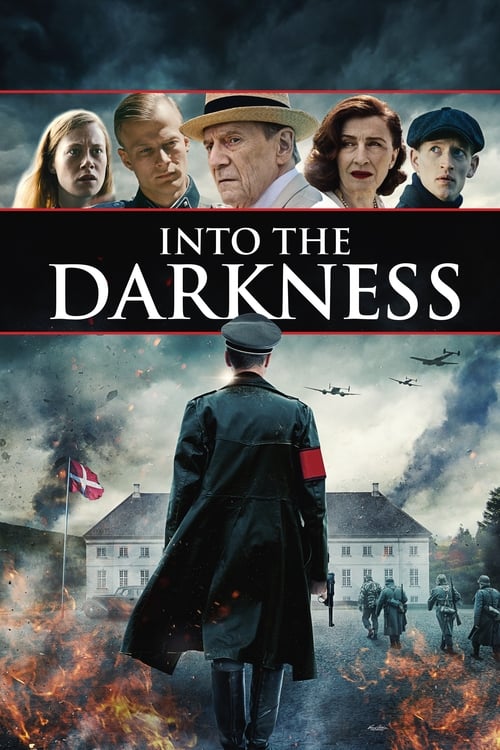
Into the Darkness
2020
No user ratings available yet
Representation score: 3.2 out of 10
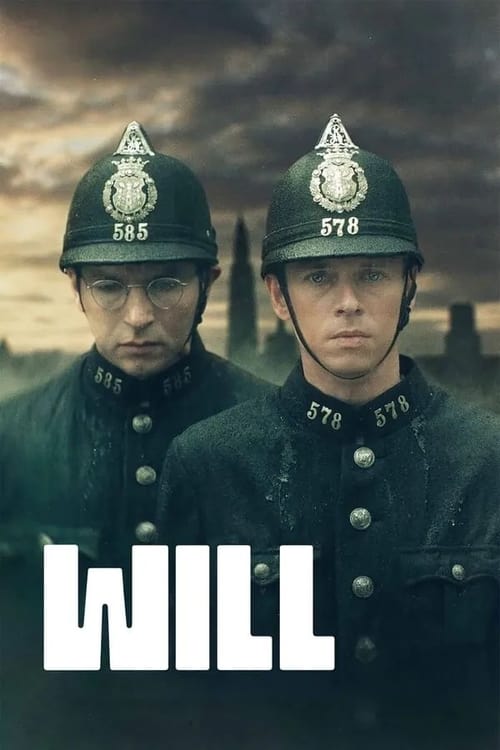
Representation Score
Limited
2023
Director
Tim Mielants
Runtime
114 minutes
Average Rating
No ratings yetNew Showbiz Analysis
WIL is a character-driven historical drama that prioritizes psychological tension and political complexity over demographic breadth. The film adheres to the demographic realities of its 1940s European setting, which limits the scope of racial and LGBTQ+ representation. However, the film finds strength in its moral depth. By focusing on the internal conflicts of police officers during the Nazi occupation, it avoids archetypal storytelling in favor of nuanced character studies. Ultimately, the work functions as a study of institutional loyalty and the ambiguity of resistance, rather than a showcase for diverse identity representation.
Category Breakdown
The film reflects the restrictive social climate of WWII-era Antwerp. There is no explicit evidence of queer subtext or non-cisgender identities within the narrative.
The plot is driven by two male police officers navigating a patriarchal institution. While women may appear in supporting roles, the primary ability to act remains centered on men.
The setting suggests a predominantly white, European cast. The story focuses on local Belgian identity and political allegiances rather than multi-ethnic or multi-layered casting.
The narrative disrupts the hero-versus-villain binary by exploring the gray areas of collaboration and resistance. This approach offers a complex critique of institutional morality and duty.
There is no information available regarding the inclusion of characters with visible or invisible disabilities.
Present on Screen
Limited or Absent
Official Synopsis
Two young police officers find themselves torn between collaboration and resistance as they navigate Nazi-occupied Antwerp during World War II.
2020

2015
2012

1977

2021

2024
2006

2020
No reviews yet. Be the first to share your thoughts on this movie!
Use the rating form above to leave a star rating and optional review.