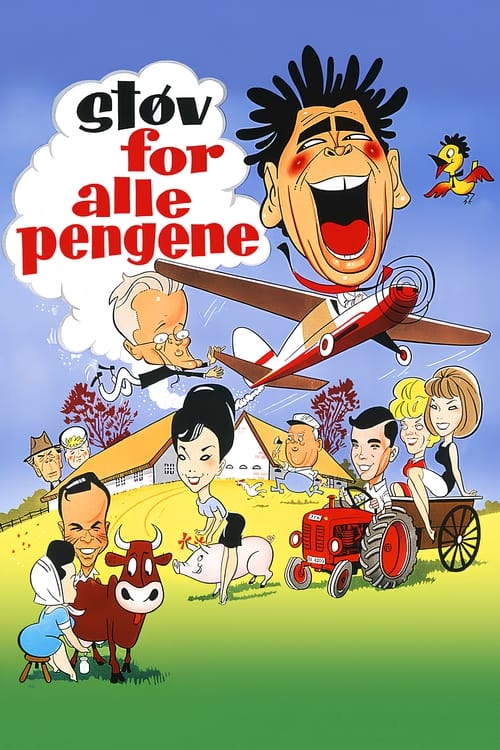
Dust for all the Money
1963
No user ratings available yet
Representation score: 1.8 out of 10
Representation Score
Minimal
1961
Not RatedDirector
Poul Bang
Runtime
104 minutes
Average Rating
No ratings yetNew Showbiz Analysis
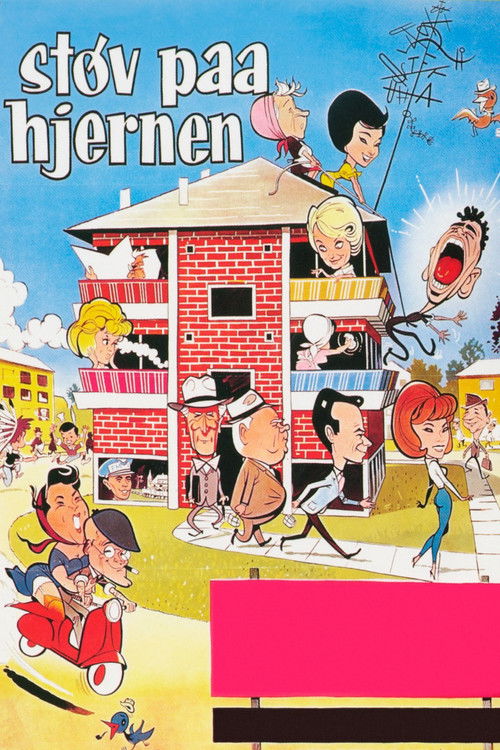
Dust on the Brain is a period piece that reflects the social structures of 1960s Denmark. It functions as a light-hearted comedy that emphasizes community stability and neighborhood dynamics. The narrative structure reinforces traditional roles, particularly regarding gender and ethnicity. While women are central to the social tension, their influence is confined to the domestic sphere. The film lacks complexity in representing diverse identities and social structures.
Category Breakdown
The film follows the social norms of 1961, where there is no representation of LGBTQ+ individuals or non-cisgender identities.
Women play key roles in driving the plot, but their influence is limited to domestic settings. The film upholds traditional gender roles and social divisions.
The cast and setting appear to be ethnically uniform, reflecting the demographics of mid-century Denmark without including diverse ethnicities.
The story emphasizes community unity and social manners within a traditional Western context, focusing on the stability of the working-class family.
There are no visible representations of physical or neurodivergent conditions. The film centers on interpersonal comedic interactions among the characters.
Present on Screen
Limited or Absent
Official Synopsis
The story centers around the busybody housewives of a modern Danish working class neighborhood of the 1960's. A remake of the Norwegian comedy film from 1959.
1963
1953
1955
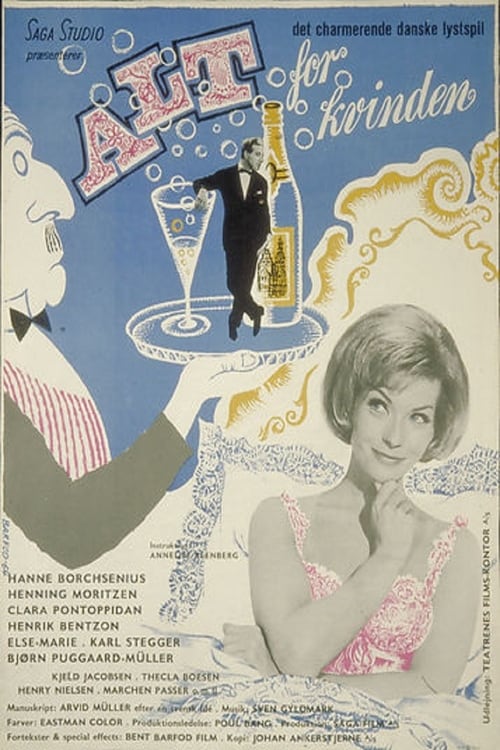
1964
1961
1960
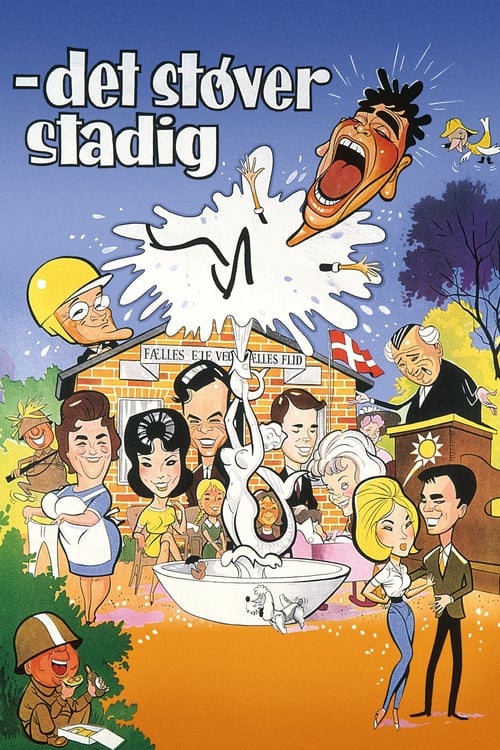
1962
1961
No reviews yet. Be the first to share your thoughts on this movie!
Use the rating form above to leave a star rating and optional review.