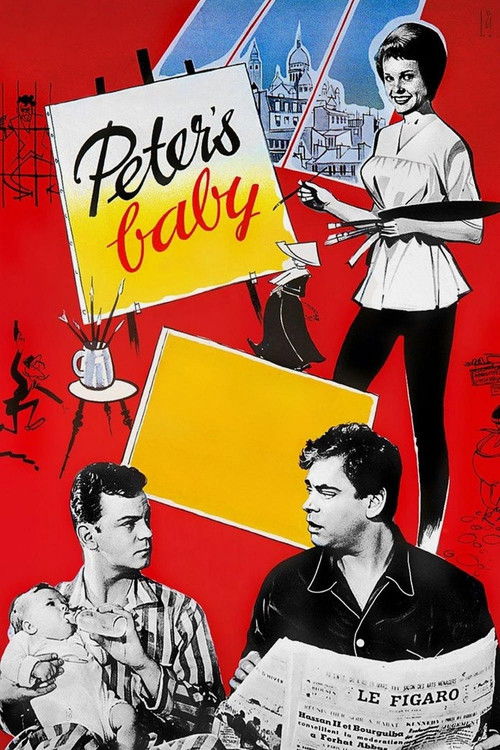
Peter's baby
1961
No user ratings available yet
Representation score: 2.2 out of 10
Representation Score
Minimal
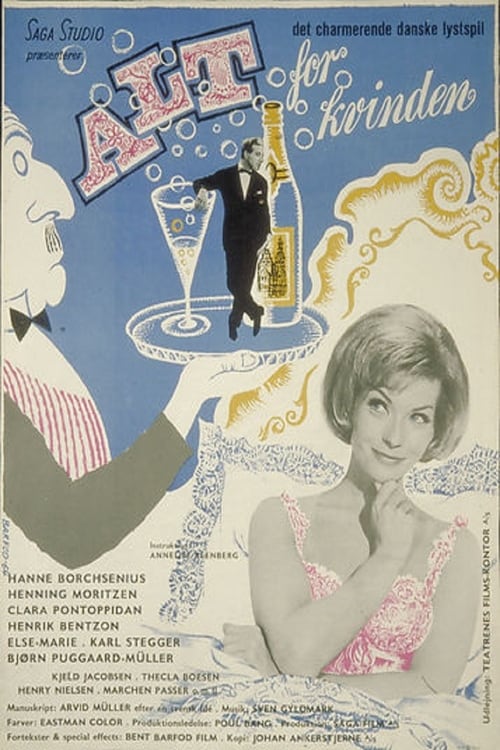
1964
Director
Annelise Reenberg
Average Rating
No ratings yetNew Showbiz Analysis
Alt for kvinden is a product of its time, prioritizing traditional romantic comedy structures over social critique. While it offers a slight departure from period clichés by granting the female lead decision-making power, it remains deeply rooted in the social homogeneity of 1960s Denmark. The film lacks complexity in representing multiple aspects of identity, focusing instead on localized social mores and middle-class stability. This results in a narrow narrative scope that avoids systemic deconstruction or diverse representation.
Category Breakdown
The film operates within a framework that assumes everyone is straight and cisgender. There are no same-sex relationships or non-binary identities present in the story.
The protagonist, Else, has a degree of influence over her own romantic life. However, the plot remains tied to mid-century social expectations about domesticity.
The cast is ethnically homogeneous, reflecting the social context of 1964 Denmark. The film depicts a culturally uniform middle-class society without diverse casting.
The narrative reinforces traditional Western European moral frameworks and middle-class stability. It uses established social institutions as a backdrop rather than critiquing them.
There are no visible or invisible disabilities integrated into the character arcs. Characters adhere to the physical and neurotypical norms of the era.
Present on Screen
Limited or Absent
1961
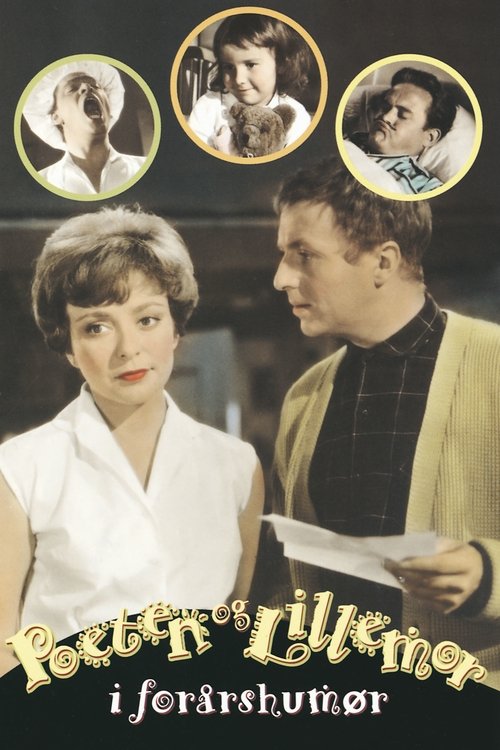
1961
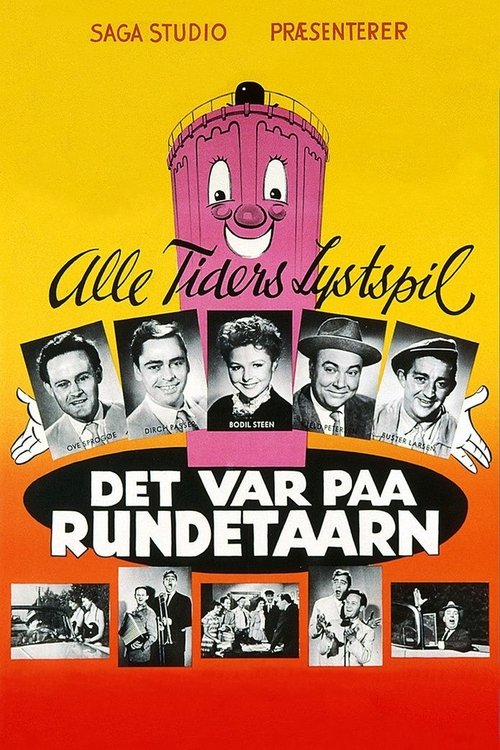
1955

1963
1953

1958
1961
1955
No reviews yet. Be the first to share your thoughts on this movie!
Use the rating form above to leave a star rating and optional review.