The Fabiani Affair
1962
No user ratings available yet
Representation score: 1.2 out of 10
Representation Score
Limited
1956
Director
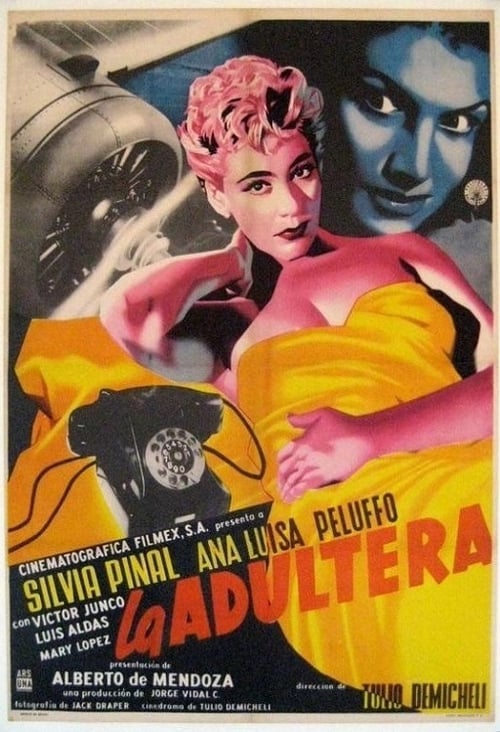
Tulio Demicheli
Runtime
90 minutes
Average Rating
No ratings yetNew Showbiz Analysis
La adúltera is a mid-century melodrama that centers on character-driven conflict, prioritizing traditional social norms over contemporary diverse representation. Its key strength lies in challenging the passive female stereotype by giving the female protagonist significant influence in driving the plot. However, the film remains firmly rooted in the social and demographic norms of its time, lacking LGBTQ+ representation and maintaining ethnic homogeneity typical of 1950s urban social dramas. Ultimately, the film offers a study of individual transgression within conventional social frameworks, providing moderate gender complexity but limited by the era's rigid social structures.
Category Breakdown
The film follows the conventions that assume everyone is straight or cisgender, typical of 1950s melodramas. There is no depiction of same-sex relationships or non-traditional gender identities.
Meche Barrientos delivers a nuanced performance by driving the plot through her defiance of marital fidelity. The narrative challenges the idealized wife stereotype by emphasizing female desire.
The casting reflects the demographic norms of mid-century Spanish-language melodramas. There is no indication of efforts to diversify the ethnic makeup typical of this era's social dramas.
The story examines the fragility of mid-century social institutions like marriage. It focuses on individual morality rather than broader systemic or secular critiques.
There is no evident portrayal of visible or invisible disabilities in this work.
Present on Screen
Limited or Absent
Official Synopsis
Jilted lover takes revenge on her ex's new wife.
1962
1943
1975
1972
1998

1957
1964
1964
No reviews yet. Be the first to share your thoughts on this movie!
Use the rating form above to leave a star rating and optional review.