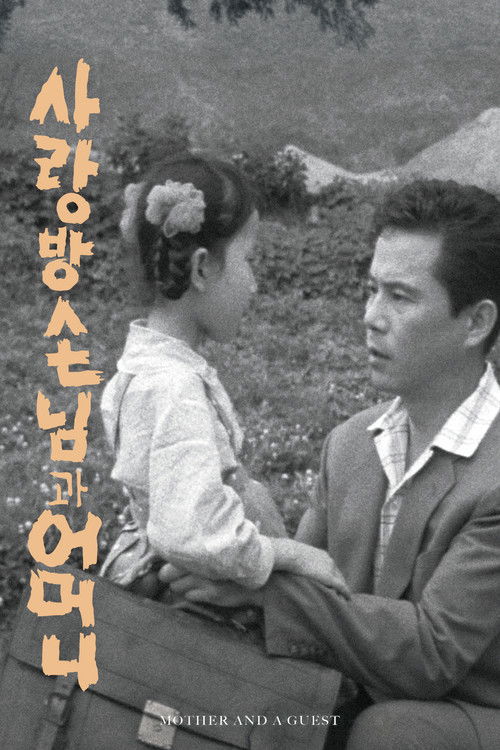
Mother and a Guest
1961
No user ratings available yet
Representation score: 3.6 out of 10
Representation Score
Fair
1964
Director
Shin Sang-ok
Runtime
85 minutes
Average Rating
No ratings yetNew Showbiz Analysis
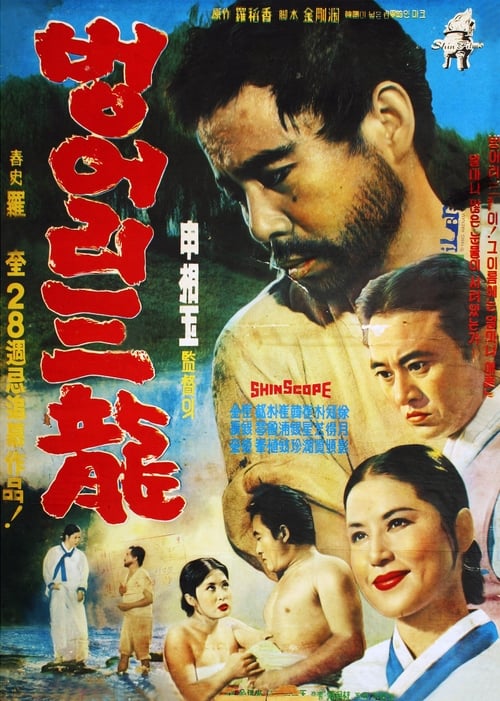
Shin Sang-ok's film is a character-driven historical drama that excels in its ethnic authenticity and its nuanced portrayal of a deaf-mute protagonist. By centering the story on a deaf-mute farmhand, the film provides a rare level of emotional complexity for a mid-century production. However, the film remains firmly anchored in the rigid social and gender hierarchies of the Joseon Dynasty, reinforcing rather than challenging the patriarchal and class-based structures that define the characters' lives.
Category Breakdown
The film adheres to a traditional historical setting and does not include LGBTQ+ identities or narratives that question the assumption that everyone is straight or cisgender.
The female lead is crucial to the emotional storyline, but her role is limited by the patriarchal structures of the Joseon era. The film upholds the traditional gender hierarchy of the time.
The film showcases a predominantly Korean cast, offering an authentic representation of the era. It avoids whitewashing by highlighting the specific ethnic and cultural context.
The story is deeply rooted in the traditional social values and hierarchies of the Joseon Dynasty. It serves as a character study rather than a critical examination of these institutions.
The narrative focuses on a deaf-mute protagonist, giving him significant emotional depth. His disability is used to explore his unique perspective and communication challenges.
Present on Screen
Limited or Absent
Official Synopsis
The film is based on the 1925 short story of the same title by Na Do-hyang and revolves around the story of a deaf farm hand who is in love with a landlord's daughter-in-law.
1961

1955

1982

2011

1982

1961

1967
1984
No reviews yet. Be the first to share your thoughts on this movie!
Use the rating form above to leave a star rating and optional review.