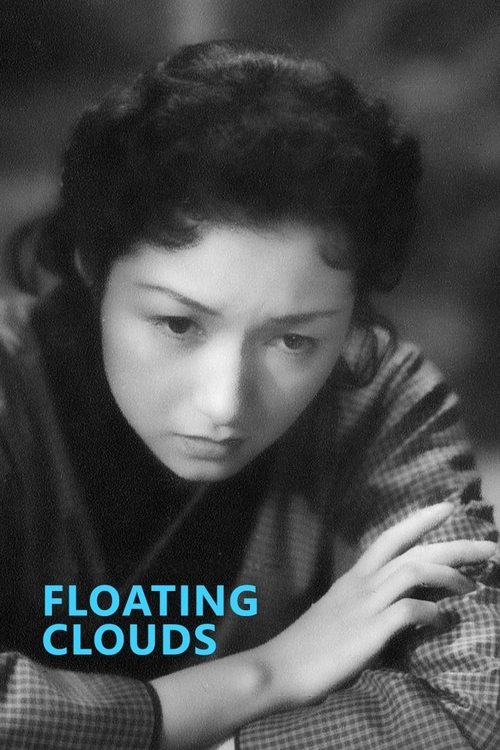
Floating Clouds
1955
No user ratings available yet
Representation score: 4.2 out of 10
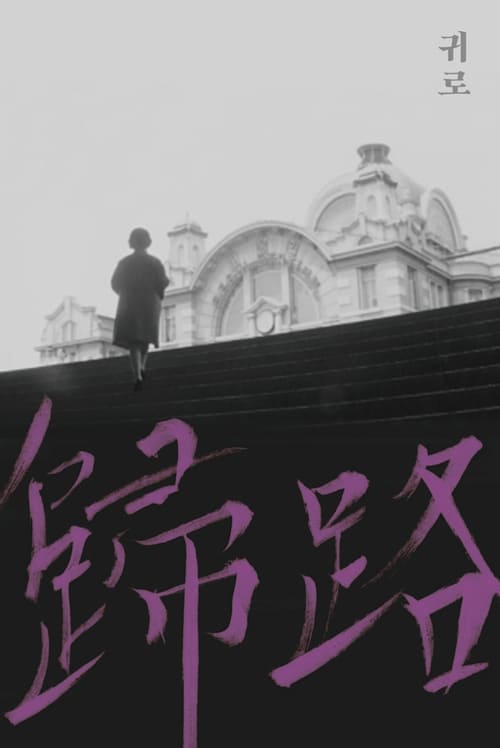
Representation Score
Good
1967
Director
Lee Man-hee
Runtime
91 minutes
Average Rating
No ratings yetNew Showbiz Analysis
Lee Man-hee’s film provides a profound exploration of the psychological impact of the Korean War. By focusing on a disabled writer, the movie avoids simplistic portrayals and instead uses his condition to reframe the dynamics of domestic life and explore personal resilience. The film stands out for its thoughtful approach to disability, presenting the protagonist's condition in a way that avoids sentimentality. Instead, it integrates his physical limitations into a rich examination of personal strength and the evolving nature of marital obligations. Despite being set in a time constrained by societal norms, the film manages to offer a layered and nuanced look at the inner lives of its characters. The interplay between traditional family structures and individual desires creates a compelling emotional backdrop.
Category Breakdown
The film does not include any explicitly LGBTQ+ characters or situations involving non-straight relationships. The story revolves around a traditional marriage and fidelity.
The wife's journey challenges the typical portrayal of women in the mid-20th century by exploring her desire for independence and her struggle with emotional labor. She evolves from a submissive role to a more complex and dynamic character.
The film showcases a Korean cast that reflects the cultural homogeneity of the time. It authentically depicts the social structure of Korea during a period of rebuilding after the war.
The storyline delves into the trauma experienced by families affected by the Korean War. It examines moral ambiguity through the main character's response to infidelity.
The main character's war-related injury is a central, nuanced part of the story rather than a simplified stereotype. His intellect and ability to think critically are highlighted, avoiding the common pitfall of inspirational stories that overly sentimentalize disability.
Present on Screen
Limited or Absent
Official Synopsis
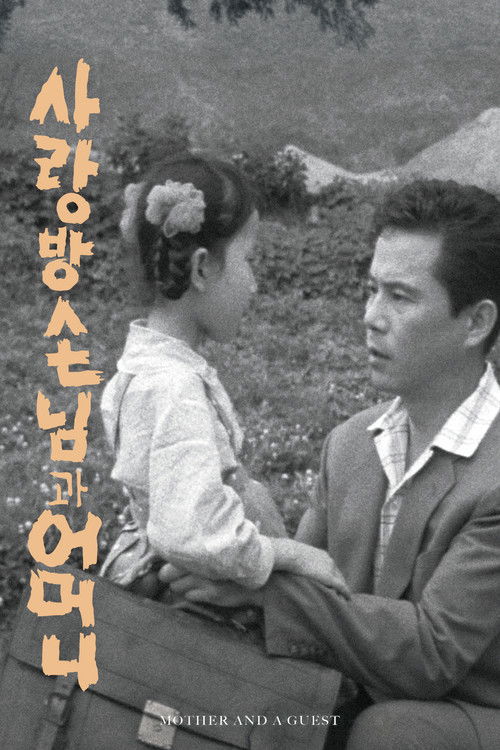
A writer who was disabled during the Korean War is now contributing a serial to a newspaper. His wife, who once adored him, is tempted by a young man she happens to know. But he overlooks her affair thanking her for her utmost care up until that time. Then the young man asks her to leave with him for a faraway place.
1955
1948
1961
1958

2014
1958
1957
1978
No reviews yet. Be the first to share your thoughts on this movie!
Use the rating form above to leave a star rating and optional review.