
That Kind of Woman
1959
No user ratings available yet
Representation score: 4.7 out of 10
Representation Score
Good
1963
Director
Antonio Pietrangeli
Runtime
106 minutes
Average Rating
No ratings yetNew Showbiz Analysis
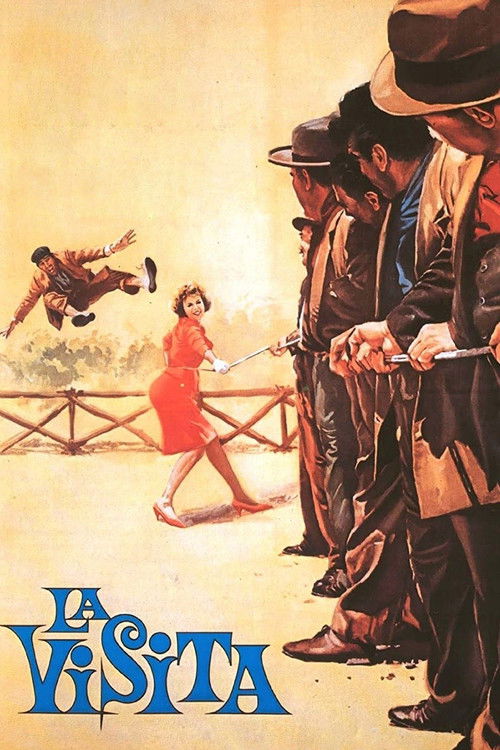
Antonio Pietrangeli’s *La visita* is a sophisticated character study that challenges mid-century patriarchal norms. By prioritizing the female protagonist's ability to drive the story and professional struggles, the film moves away from passive representations toward a complex, psychologically driven portrayal of women. While the film excels in subverting traditional gender hierarchies, it lacks diverse representation. Set in the homogeneous demographic context of 1960s Italy, it does not significantly address racial or LGBTQ+ identities. Overall, the film's strength lies in its ability to deconstruct the stability of mid-century social norms through the lens of individual autonomy and the quest for authentic human connections.
Category Breakdown
The film does not include explicit LGBTQ+ identities or non-straight romantic relationships. It focuses on themes of profound loneliness without exploring queer identities or non-straight relationships.
The film centers on the female protagonist's active role and professional challenges, subverting traditional gender roles. She is shown as an active participant in her story rather than a passive figure.
The film reflects the homogeneous demographics of 1960s Italy, focusing on the local urban life without significant racial diversity or disruption of casting norms.
The narrative critiques traditional institutions and social structures through an existential lens. It examines how modern urban isolation affects individual fulfillment and societal expectations.
The film explores the psychological impact of existential distress and loneliness. However, it does not feature characters with visible or specific disabilities as central plot elements.
Present on Screen
Limited or Absent
Official Synopsis
Certain that "the right man" is crucial to her escaping the confines of the Italian village where she lives, Pina places an ad in the newspaper. She gets a response from Adolfo, who agrees to travel from his residence in Rome to visit her. As flashbacks shed light on both their pasts, suspense builds about how they will relate to one another.
1959
1964

1983

1952
1984
1955
1960

1966
No reviews yet. Be the first to share your thoughts on this movie!
Use the rating form above to leave a star rating and optional review.