
Main Prem Ki Diwani Hoon
2003
No user ratings available yet
Diversity score: 1.9 out of 10
2006
Not RatedDirector
Sooraj Barjatya
Runtime
175 minutes
Average Rating
No ratings yetSynopsis
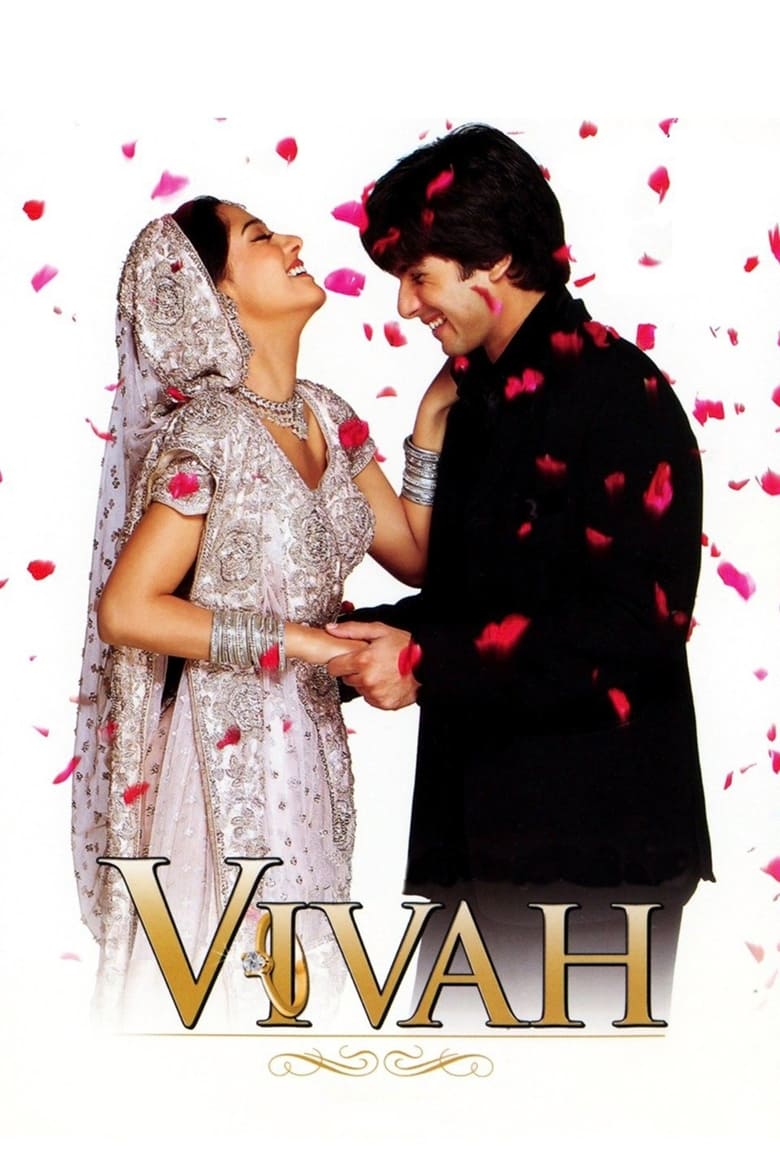
Poonam, a traditionally brought-up young woman, is to marry Prem, a groom chosen by her uncle. Poonam and Prem's faith and love are to be tested however, when an accident occurs and Poonam might be scarred for life.
Overall Score
Minimal
Category Breakdown
LGBTQ+ Representation
The film operates within a strictly heteronormative framework. There is no presence of non-cisnormative identities or same-sex intimacy.
Gender Representation
The narrative reinforces conventional gender hierarchies. Poonam is depicted through traditional domesticity and submissiveness, while Prem acts as the decisive provider.
Racial & Ethnic Diversity
The film presents a homogeneous depiction of a specific Hindu middle-class group. It lacks intersectional variety or diverse ethnic perspectives.
Religious & Cultural Diversity
The story prioritizes Hindu traditions and religious rituals as the primary moral compass. It celebrates parental authority and religious institutions as stabilizing forces.
Disability Representation
A physical accident serves as a narrative catalyst to test romantic devotion. The condition is used to reinforce themes of sacrificial love rather than agency.
Strengths
Areas for Improvement
AI Analysis
Vivah is a quintessential example of traditionalist cinema designed to uphold established social and religious hierarchies. The narrative architecture prioritizes familial duty and cultural continuity over any form of social subversion. By focusing on a singular moral framework rooted in tradition, the film avoids postmodern deconstruction. It functions as a celebration of the stability found within the traditional family unit and patriarchal structures. Ultimately, the work reinforces existing cultural hierarchies rather than seeking to disrupt them, offering a deeply homogeneous view of social life.
2003
1989

2009
2000
2007

2004

2019
2002
2001
2000
2009
2004
No reviews yet. Be the first to share your thoughts on this movie!
Use the rating form above to leave a star rating and optional review.