
Maine Pyar Kiya
1989
No user ratings available yet
Representation score: 0.9 out of 10
Representation Score
Minimal
1998
Not RatedDirector
Karan Johar
Runtime
185 minutes
Average Rating
No ratings yetNew Showbiz Analysis
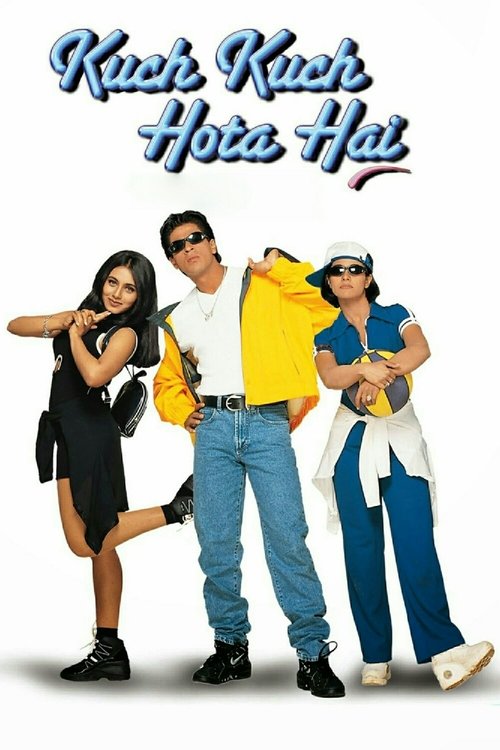
Kuch Kuch Hota Hai is a quintessential romantic drama that prioritizes emotional resonance and the stability of conventional social roles. While it offers a brief disruption of traditional feminine aesthetics through Anjali's early characterization, the film ultimately reinforces established social hierarchies and traditional domesticity. The film serves as a cultural touchstone for the Indian diaspora, focusing on the intersection of domestic values and the globalized middle-class experience. However, it lacks diversity in terms of non-assuming gender matches what was assigned at birth identities and presents a highly homogenized view of Indian culture. Ultimately, the narrative structure upholds the traditional nuclear family unit. It avoids deconstructing systemic norms, choosing instead to celebrate emotional continuity and the preservation of traditional social structures.
Category Breakdown
The film is based on the assumption that everyone is straight or cisgender. The central plot and resolution rely entirely on heterosexual romantic pairings and the preservation of the traditional nuclear family.
Anjali initially challenges traditional feminine aesthetics through a tomboyish persona. However, the narrative eventually steers her toward conventional femininity, reinforcing traditional domesticity as the ultimate resolution for female leads.
The story focuses on the cultural identity of the globalized Indian middle class. It presents a homogenized version of Indian identity that aligns with high-status, urbanized social strata.
The narrative celebrates the sanctity of family and parental legacy as moral imperatives. It promotes a sentimentalist morality centered on loyalty and destiny rather than critiquing traditional institutions.
There are no prominent depictions of visible or invisible disabilities that drive the plot or character development.
Present on Screen
Limited or Absent
Official Synopsis
Per her mother's last wish, an 8 year old girl sets out to reunite her father with his college best friend who was in love with him.
1989
1994

2002
2002
2001

1998

2026
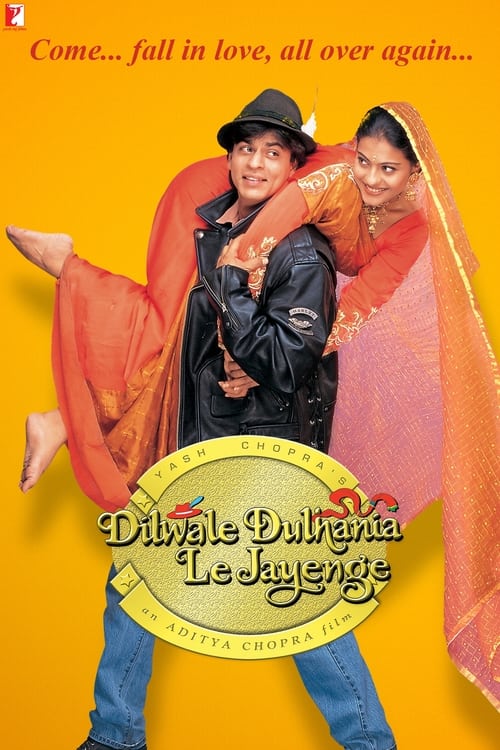
1995
No reviews yet. Be the first to share your thoughts on this movie!
Use the rating form above to leave a star rating and optional review.