
Marlowe
1969
No user ratings available yet
Representation score: 2.2 out of 10
Representation Score
Minimal
1978
RDirector
Michael Winner
Runtime
100 minutes
Average Rating
No ratings yetNew Showbiz Analysis
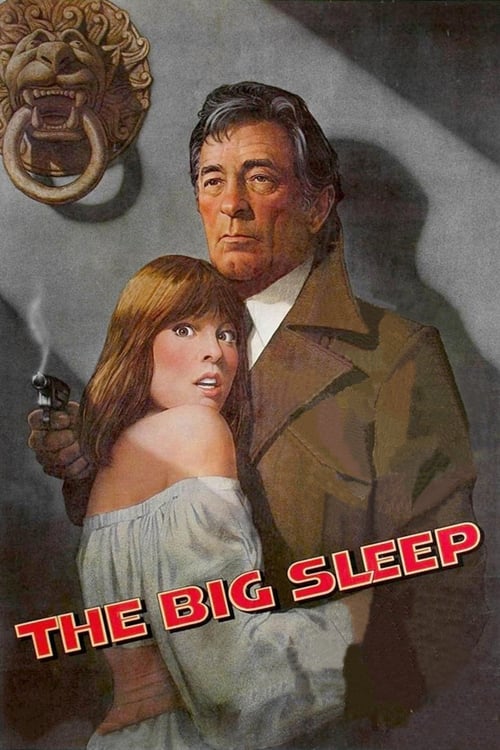
The Big Sleep (1978) adheres to the traditional hardboiled noir genre, focusing on established clichés over social representation. Its narrative structure emphasizes a male-centric perspective, limiting the inclusion of diverse viewpoints. While the film offers a critique of institutional corruption and moral ambiguity, it does so through a narrow lens. Ultimately, it serves as a period-specific genre piece, lacking the intentionality needed to provide meaningful multi-layered depth or challenge conventional social landscapes.
Category Breakdown
The film does not include any LGBTQ+ characters or explore non-straight relationships. The interpersonal dynamics focus solely on traditional romantic and sexual tensions.
Female characters often act as catalysts for the male protagonist, while some exhibit ability to act through manipulation. However, leadership remains centered on the male lead.
The cast and setting reflect a predominantly homogeneous demographic. The narrative focuses on socioeconomic divides rather than providing diverse representation.
The film explores moral relativism and a cynical view of authority through a corrupt system. It critiques institutional stability through a genre-specific fatalistic lens.
There is no representation of physical, sensory, or neurodivergent disabilities within the primary character arcs or the supporting cast.
Present on Screen
Limited or Absent
Official Synopsis
Private eye Philip Marlowe investigates a case of blackmail involving the two wild daughters of a rich general, a pornographer and a gangster.
1969
1975
1971
1983
1967
1946
1977
1946
No reviews yet. Be the first to share your thoughts on this movie!
Use the rating form above to leave a star rating and optional review.