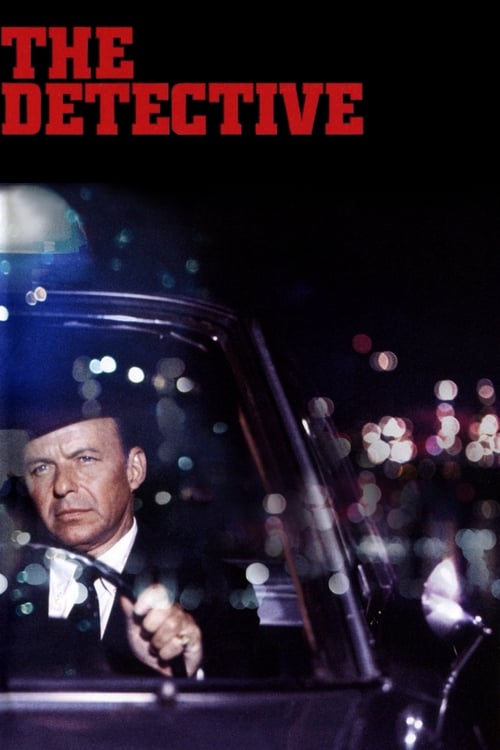
The Detective
1968
No user ratings available yet
Diversity score: 3.2 out of 10
1969
PGDirector
Paul Bogart
Runtime
96 minutes
Average Rating
No ratings yetSynopsis
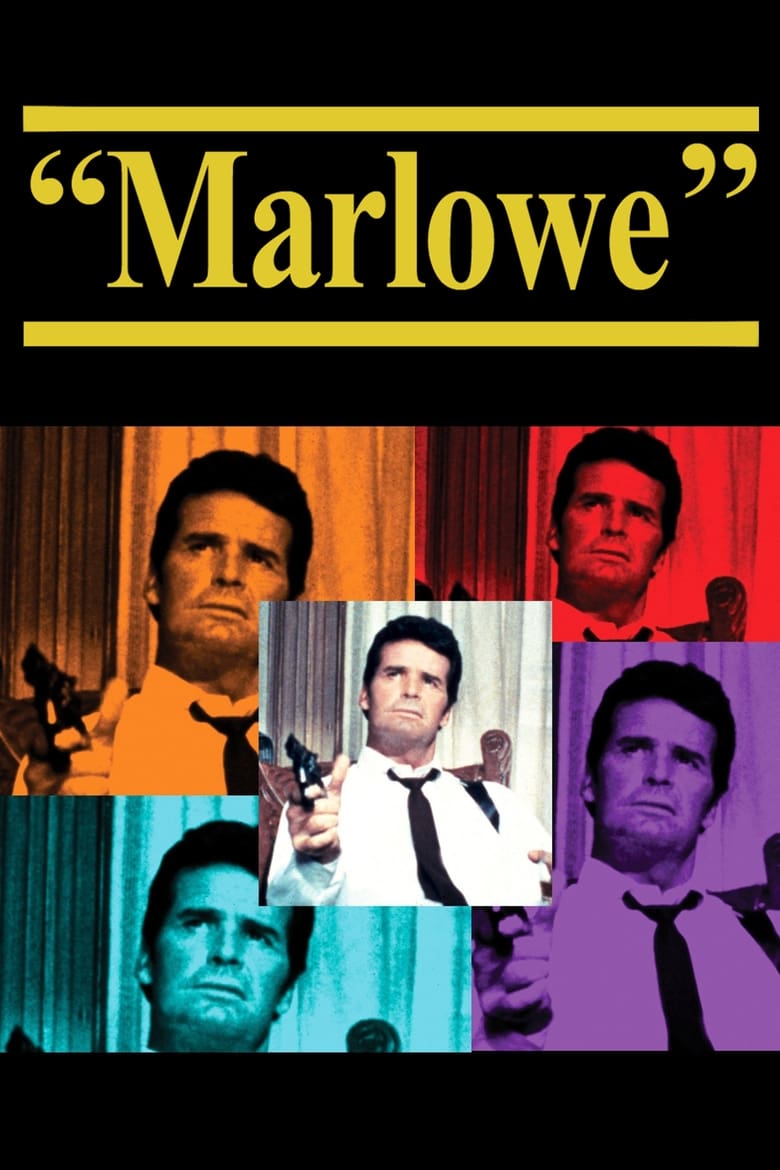
Mysterious Orfamay Quest hires Los Angeles private investigator Philip Marlowe to find her missing brother. Though the job seems simple enough, it leads Marlowe into the underbelly of the city, turning up leads who are murdered with ice picks, exotic dancers, blackmailed television stars, and self-preserving gangsters. Soon, Marlowe's life is on the line right along with his case.
Overall Score
Limited
Category Breakdown
LGBTQ+ Representation
The film adheres to traditional heteronormative structures. There is no evidence of non-cisnormative gender identities or same-sex intimacy within the narrative.
Gender Representation
Philip Marlowe occupies the central position of agency. Female characters primarily function through the femme fatale archetype, acting as plot catalysts or objects of desire.
Racial & Ethnic Diversity
The casting reflects period demographic homogeneity with a predominantly white cast. The narrative lacks significant agency or depth for characters of color within the primary plotline.
Religious & Cultural Diversity
The film explores moral relativism and systemic corruption through a cynical lens. This serves as genre-standard noir storytelling rather than a targeted critique of specific institutions.
Disability Representation
There is no discernible focus on characters with visible or invisible disabilities in this production.
Strengths
Areas for Improvement
AI Analysis
Marlowe (1969) functions as a period-accurate reflection of mid-century noir. It prioritizes established genre tropes and the private investigator mythos over intersectional representation, resulting in a narrative built on traditional power dynamics. The film relies heavily on conventional gender and racial roles. While it captures the urban decay of Los Angeles, the social landscape remains homogeneous and lacks meaningful diversity in its central cast. Ultimately, the work does not seek to disrupt social hierarchies. It follows the standard procedural aesthetics of the late 1960s, focusing on character-driven cynicism rather than systemic social deconstruction.
1968
1974

2007
1981
No reviews yet. Be the first to share your thoughts on this movie!
Use the rating form above to leave a star rating and optional review.