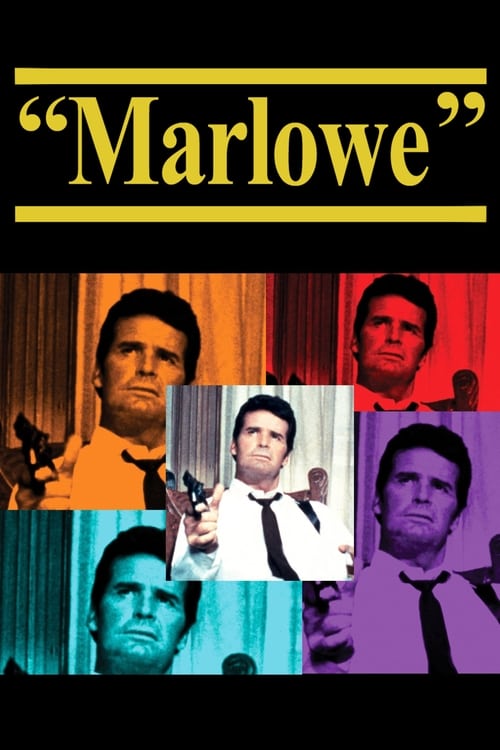
Marlowe
1969
No user ratings available yet
Diversity score: 2.9 out of 10
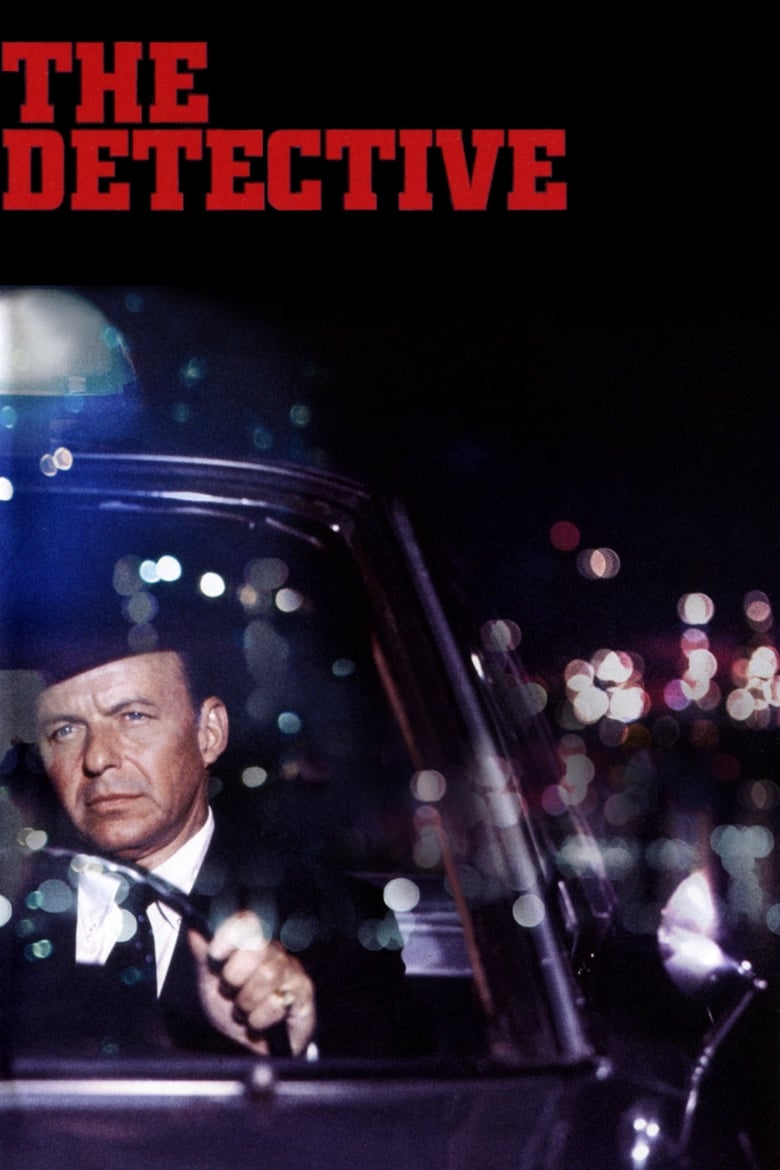
1968
PGDirector
Gordon Douglas
Runtime
114 minutes
Average Rating
No ratings yetSynopsis
New York City Police detective Joe Leland investigates the grisly murder of Teddy Leikman, the gay son of a politically influential department store owner. While investigating, he discovers links to official corruption in NYC in this drama that delves into a world of sex and drugs, homophobia, homosexuality and bisexuality.
Overall Score
Limited
Category Breakdown
LGBTQ+ Representation
The plot centers on the murder of a gay man, providing visibility for queer themes. However, these characters primarily serve as catalysts for the investigation rather than possessing significant agency.
Gender Representation
Joe Leland embodies a traditional, authoritative masculine archetype. Female characters remain peripheral, often serving as emotional anchors or witnesses within established 1960s gender hierarchies.
Racial & Ethnic Diversity
The cast is predominantly white and Anglo-Saxon. The film lacks characters of color in positions of agency, reflecting the demographic homogeneity of mid-century crime procedurals.
Religious & Cultural Diversity
The narrative focuses on police procedure and maintaining social order. It upholds Western institutional norms rather than challenging the legal system or traditional family structures.
Disability Representation
There is no discernible focus on visible or invisible disabilities within the film's narrative or character descriptions.
Strengths
Areas for Improvement
AI Analysis
The Detective functions as a period-accurate crime drama that reflects the social constraints of 1968. While it introduces queer themes through its central murder mystery, it does so through a conventional investigative lens that avoids deconstructing heteronormativity. The film relies heavily on traditional archetypes, specifically a stoic masculine protagonist and a homogeneous, white cast. These elements reinforce the social hierarchies of the era rather than disrupting them. Ultimately, the film is a standard genre piece. It provides a degree of visibility for marginalized subjects but remains tethered to the institutional and demographic norms of its time.
1969
1978
1974
1981
1967
No reviews yet. Be the first to share your thoughts on this movie!
Use the rating form above to leave a star rating and optional review.