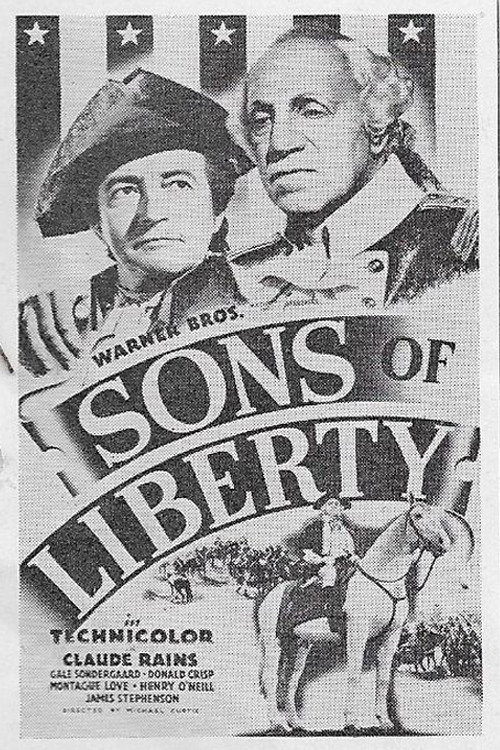
Sons of Liberty
1939
No user ratings available yet
Representation score: 2.6 out of 10
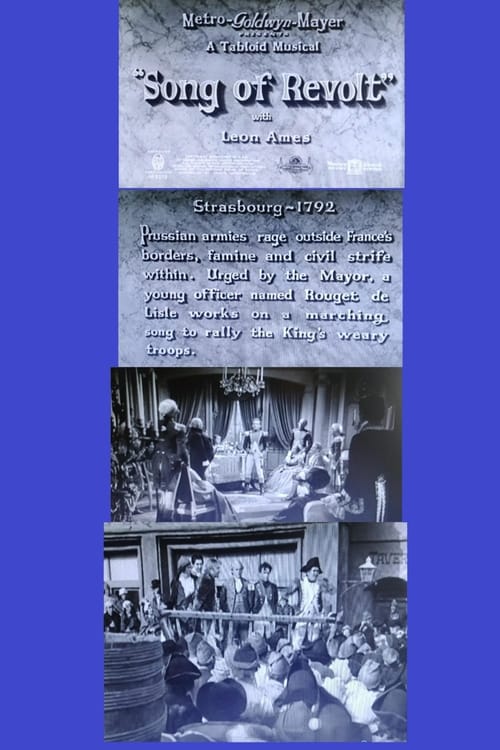
Representation Score
Limited
1937
ApprovedDirector
Roy Rowland
Runtime
11 minutes
Average Rating
No ratings yetNew Showbiz Analysis
Song of Revolt is a traditional historical dramatization that celebrates the romanticized origins of 'La Marseillaise.' While the French Revolution is a period of upheaval, the film's execution follows conservative 1930s Hollywood storytelling norms. The production prioritizes nationalistic fervor and clear-cut heroism over nuanced or characters who reflect more than one aspect of diversity. It functions as a celebration of a cultural symbol rather than a deep exploration of social complexity. Ultimately, the film reinforces established social structures and patriotic sentiment, offering little room for the visibility of underrepresented identities.
Category Breakdown
The film focuses on nationalist history and the creation of a patriotic anthem. There is no indication of LGBTQ+ identities or critiques of the assumption that everyone is straight or cisgender within this historical context.
Women likely occupy supporting or decorative roles typical of 1930s musical shorts. The narrative maintains traditional gender hierarchies to support the film's patriotic and melodramatic themes.
As a period piece centered on French history, the film adheres to the era's tendency toward homogeneous white casts. It reflects the Western European-centric perspectives common in 1930s historical dramas.
The story explores the dismantling of the French monarchy through a lens of Western classical heroism. It emphasizes patriotism rather than a systemic deconstruction of power.
There is no evidence of neurodivergent or physically disabled characters possessing a significant role in driving the story. Such figures were typically relegated to peripheral roles or used as simple narrative devices during this era.
Present on Screen
Limited or Absent
Official Synopsis
This MGM Tabloid Musical short tells the story of how France's national anthem, "La Marseillaise", came to be written during the French Revolution.
1939
1928
1939
1983
1936

1939
1936
1921
No reviews yet. Be the first to share your thoughts on this movie!
Use the rating form above to leave a star rating and optional review.