
Toña, Born a Virgin
1982
No user ratings available yet
Representation score: 4.6 out of 10
Representation Score
Fair
1976
Director
Rogelio A. González
Runtime
102 minutes
Average Rating
No ratings yetNew Showbiz Analysis
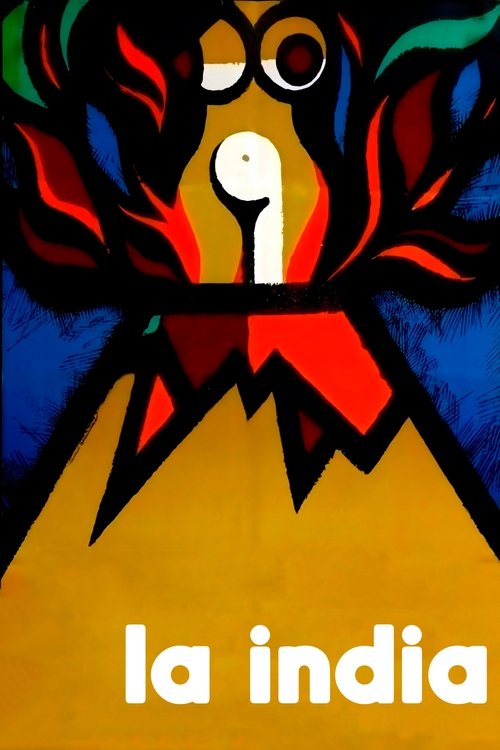
La India serves as a deconstruction of the idealized family unit, focusing on the psychological fallout of socioeconomic marginalization. The narrative explores the trauma of a child witnessing the transactional nature of his mother's survival, offering a critique of the economic forces driving such lifestyles. The film prioritizes the complexities of those on the fringes of society over the reinforcement of traditional social norms. By centering on an outsider, the story challenges the moral certainties of its era. While the film explores systemic hardship, it lacks explicit representation of LGBTQ+ identities or disability, focusing instead on class and familial dysfunction.
Category Breakdown
The film centers on sex work, involving various sexual encounters. However, there is no explicit mention of queer identities or narratives that challenge the assumption that everyone is straight.
The story disrupts traditional gender roles by centering a female protagonist who acts as a provider. It moves away from male leadership clichés to focus on her coerced role.
As a Mexican production, the film likely features a non-Anglo-Saxon cast. The narrative focuses on characters living on the fringes of mainstream society.
The film departs from conservative morality by framing the mother's actions through survival rather than condemnation. It portrays the traditional family structure as fractured and potentially harmful.
There is no evidence regarding the depiction of physical or neurodivergent disabilities in this work.
Present on Screen
Limited or Absent
Official Synopsis
Boy is traumatized from watching his sex-worker mother with her clients; he grows up with a particular grudge against that one guy that used to come to see her...
1982

1962
1987
1976
1976
1972
1970
1977
No reviews yet. Be the first to share your thoughts on this movie!
Use the rating form above to leave a star rating and optional review.