
Sugar Kisses
2013
No user ratings available yet
Representation score: 5.9 out of 10
Representation Score
Fair
1977
Director
Jorge de la Rosa
Runtime
100 minutes
Average Rating
No ratings yetNew Showbiz Analysis
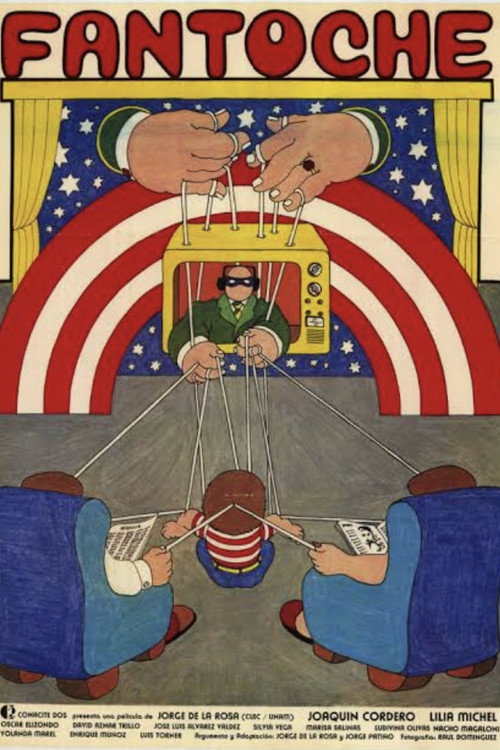
Fantoche is a gritty, realist study of adolescence that avoids the sanitized clichés often found in coming-of-age cinema. It succeeds by grounding its themes of identity and shame in the specific, chaotic reality of Mexico City. The film's strength lies in its cultural authenticity and its willingness to critique the restrictive structures of middle-class life. It uses the protagonist's internal struggle to highlight systemic pressures within the family and society. However, the film's impact is limited by a lack of clear representation for female characters and disability. While it challenges patriarchal norms, the specific roles of women remain undefined in the current narrative scope.
Category Breakdown
The film delves into intense sexual desires and the resulting feelings of guilt and shame. Although specific identities are not explicitly stated, the focus on internal psychological conflict suggests a departure from typical assumptions about straight relationships.
By showing the home and school as oppressive environments, the film critiques traditional gender roles. It challenges the authority of the patriarchal family unit, although the story does not provide much detail about female character arcs.
The story offers a localized perspective by focusing on the specific cultural landscape of Mexico City. This breaks away from Western-centric coming-of-age stories through its authentic urban setting and Mexican cast.
The narrative dismantles the idealized middle-class family by portraying domestic life as a source of distress. It emphasizes moral complexity and the lived reality of a non-Western urban environment.
There is no mention of characters with visible or invisible disabilities within the narrative.
Present on Screen
Limited or Absent
Official Synopsis
The painful growing pains of an adolescent boy in a middle-class family in Mexico City. Surrounded by violence and besieged by sexual desire and deep feelings of guilt and shame, Augusto tries to make his way in the oppressive worlds of his home, school and chaotic streets of Mexico City.
2013

2014
1996
1950
2010

1976

2010

1983
No reviews yet. Be the first to share your thoughts on this movie!
Use the rating form above to leave a star rating and optional review.