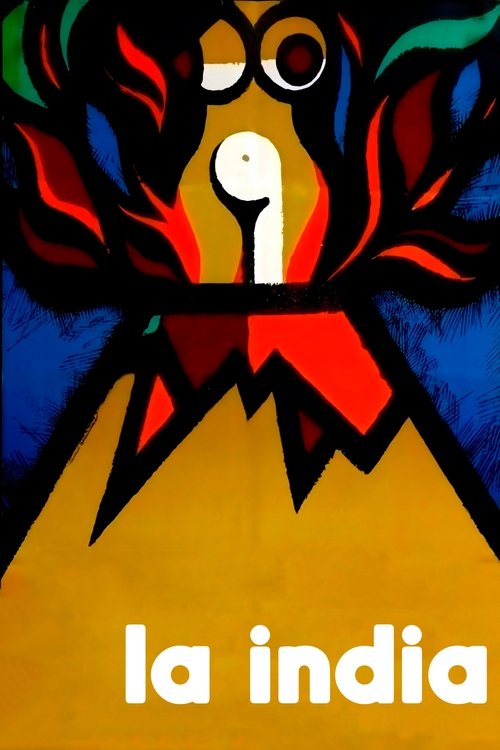
La India
1976
No user ratings available yet
Representation score: 5.2 out of 10
Representation Score
Minimal
1976
Director
Arturo Martínez
Runtime
90 minutes
Average Rating
No ratings yetNew Showbiz Analysis
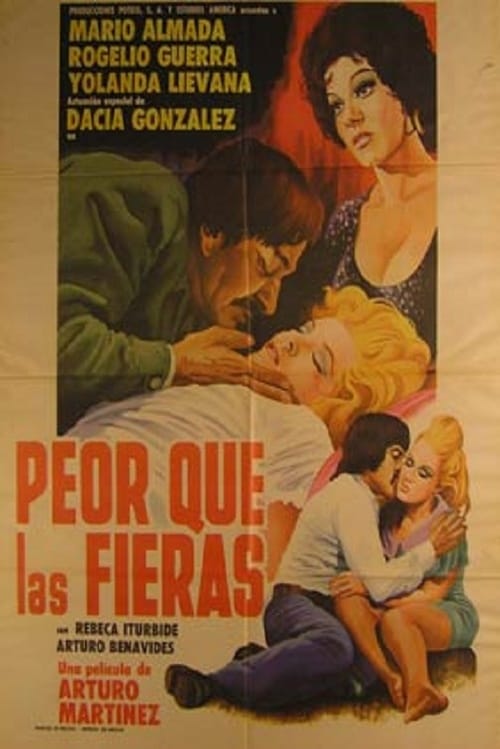
Peor que las fieras is a product of the 1970s Mexican exploitation era, emphasizing heightened domestic conflict over social progress. The film relies heavily on established melodrama clichés that reinforce traditional power imbalances. The narrative structure centers on victimization, particularly through gendered aggression. Instead of challenging patriarchal authority, the film uses the subjugation of women as a primary plot driver. While the film provides regional representation through its Mexican production, it lacks depth in reflecting diverse identities. It functions as a traditional melodrama that reinforces social norms rather than challenging them.
Category Breakdown
The film does not include any representation of LGBTQ+ identities or queer narratives. It focuses on straight relationships and includes instances of sexual violence.
Female characters are portrayed as passive victims within the narrative, falling into the 'rapey-stepfather' cliché. The story relies on the subjugation of women to drive the plot rather than giving them active roles.
This Mexican production centers on non-Anglo-Saxon perspectives. However, it does not disrupt racial or ethnic hierarchies in its social depictions.
The story operates within a framework of traditional morality and domestic tragedy. It emphasizes individual family dysfunction without addressing broader social structures or institutions.
There is no mention of characters with visible or invisible disabilities in the narrative.
Present on Screen
Limited or Absent
Official Synopsis
Working-class family melodrama, rapey-stepfather style.
1976
1971
1984
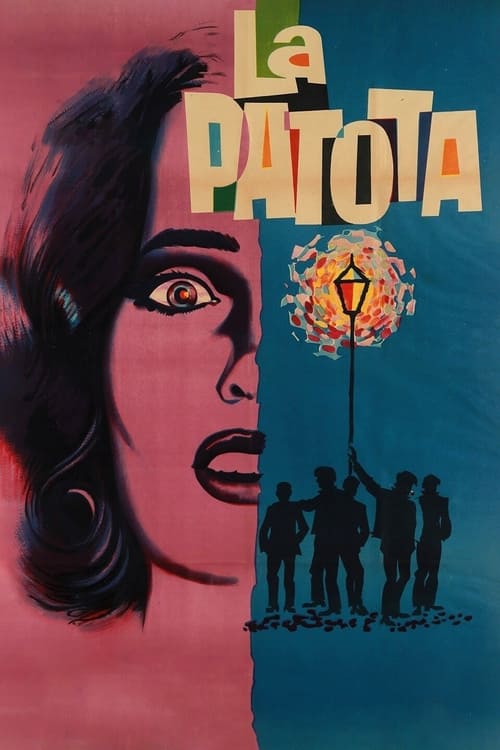
1960
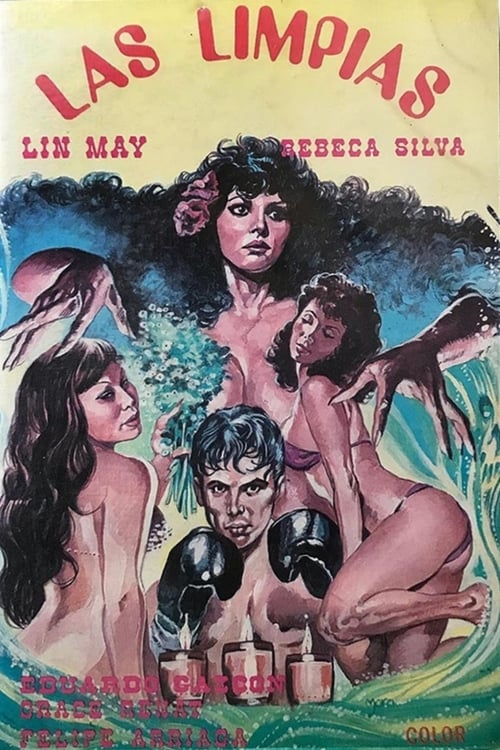
1987
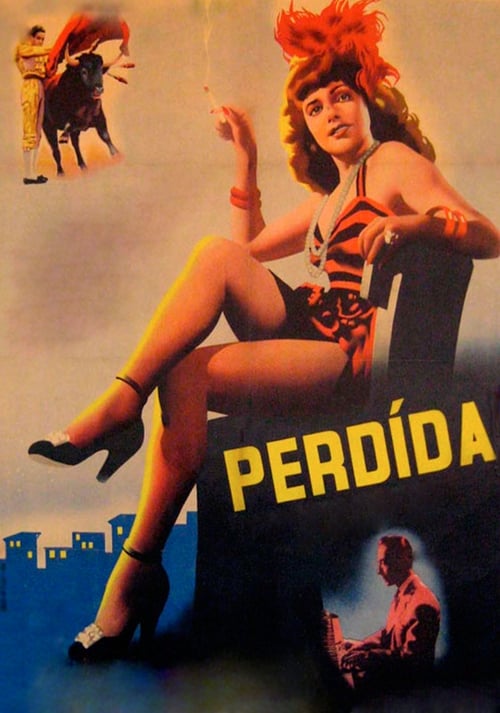
1950

1970
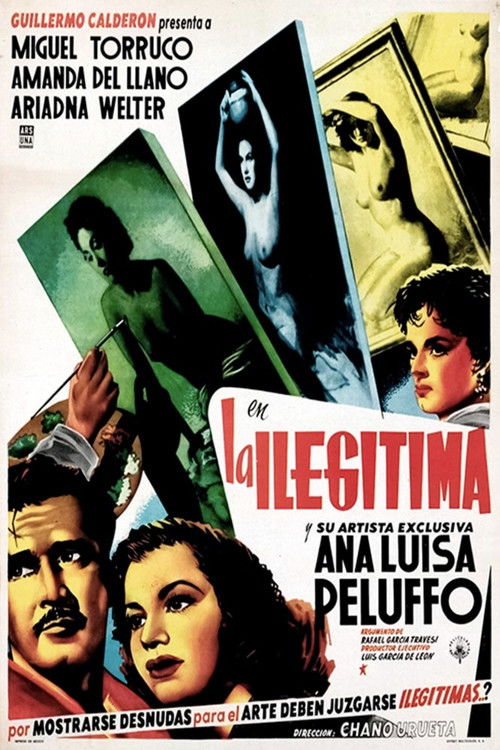
1956
No reviews yet. Be the first to share your thoughts on this movie!
Use the rating form above to leave a star rating and optional review.