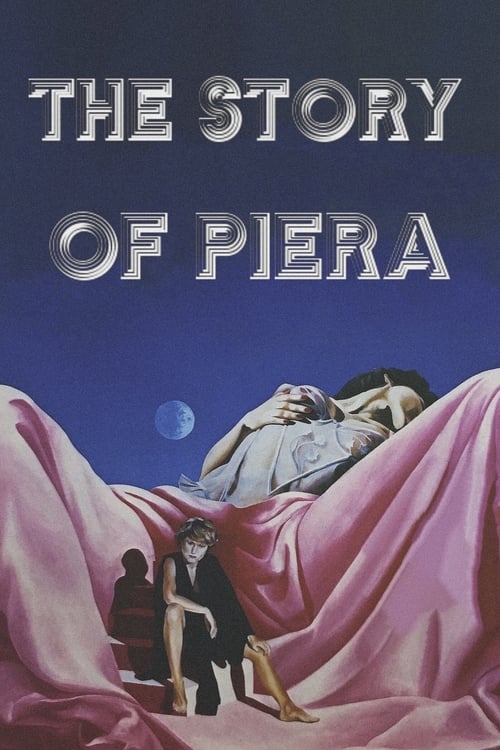
The Story of Piera
1983
No user ratings available yet
Representation score: 6.4 out of 10

Representation Score
Excellent
1987
Director
Jorge Polaco
Runtime
90 minutes
Average Rating
No ratings yetNew Showbiz Analysis
Jorge Polaco’s film is a provocative exploration of postmodern themes. Using a surrealist, grotesque aesthetic, it dismantles established social and moral orders, particularly targeting the sanctity of family and religion. By focusing on a protagonist with a fluid sexual identity and a highly assertive, non-traditional maternal figure, the film effectively challenges traditional gender roles and sexual norms. While the film excels at subverting Western cinematic norms and religious institutions, it remains more focused on symbolic extremity than on the lived experiences of specific underrepresented groups, such as those with clinical disabilities.
Category Breakdown
The film focuses on Bobby, a character struggling with their sexual identity. By exploring non-traditional desires and breaking taboos around sexuality, the movie challenges conventional views of intimacy.
Gender roles are challenged through intense psychological dynamics. The mother is portrayed as sexually assertive rather than nurturing, while the traditionally strong male figure is shown as vulnerable.
The film uses a grotesque, surrealist style to reclaim Latin American identity. This approach moves away from Anglo-centric stereotypes to offer a critique of Western realism.
Religious symbols are used to question traditional sanctity. The film critiques singular Christian morality, presenting the family unit as dysfunctional and repressive.
The film highlights the 'grotesque' body and physical excess rather than specific disabilities. While it challenges sanitized representations, characters lack real control over their experiences.
Present on Screen
Limited or Absent
Official Synopsis
The incestuous relationship between Bobby, a doll repairer confused about his sexual identity and his overprotecting mother that abuses him while she, in turn, seeks to relive the days of her youth. They bathe together, sleep together and engage in sexual intercourse as well. In turn, she is jealous of his suggestive relationship with his customers, mostly little girls.
1983

1979

1957

1983

1989
1977

1996

1976
No reviews yet. Be the first to share your thoughts on this movie!
Use the rating form above to leave a star rating and optional review.