Plymptoons
1990
No user ratings available yet
Representation score: 6.4 out of 10
Representation Score
Fair
1979
Director
Terry Gilliam
Runtime
9 minutes
Average Rating
No ratings yetNew Showbiz Analysis
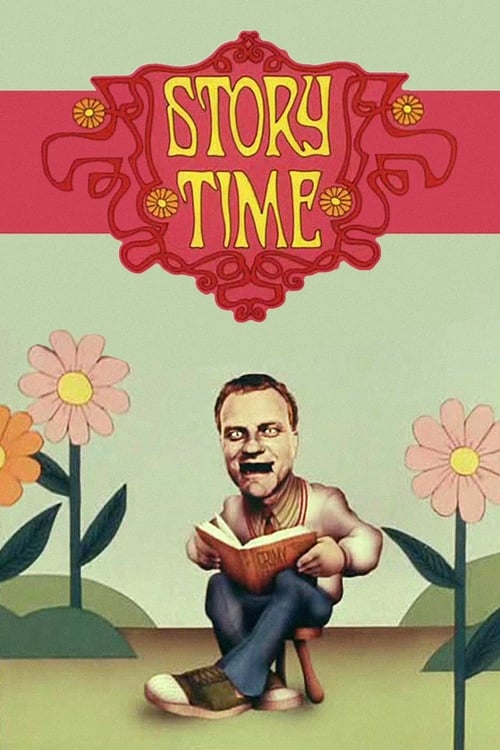
Storytime is a work of high-concept surrealism that prioritizes absurdity over cohesive, moralistic storytelling. By focusing on non-human entities and fragmented anatomy, the film avoids traditional social hierarchies and gender roles. The narrative structure disrupts conventional expectations of character's ability to drive the story and social stability. It uses surreal metaphors to challenge established Western structures and the sanctity of individual legacies. While the film succeeds in subverting cultural norms and traditional narrative arcs, it lacks explicit representation of human identity, ethnic depth, or clear disability narratives.
Category Breakdown
The second segment uses surreal metaphors, such as hands committing adultery with feet, to separate intimacy from traditional heterosexual structures. This abstract approach dismantles conventional romantic pairings.
The film sidesteps traditional gender hierarchies by focusing on non-human entities and fragmented anatomy. It avoids social roles like masculine dominance or feminine subservience through biological absurdity.
The narrative relies on anthropomorphic insects and surrealist caricatures instead of a diverse human cast. It lacks specific ethnic depth, though it steers clear of Anglo-centric human social structures.
The film critiques Western holiday iconography by presenting a chaotic, bizarre Christmas card world. It further subverts traditional institutions through the portrayal of a failed historical figure.
The depiction of a character with hands that have their own life remains ambiguous. It is unclear if this represents neurodivergence or serves purely as a surrealist device.
Present on Screen
Limited or Absent
Official Synopsis
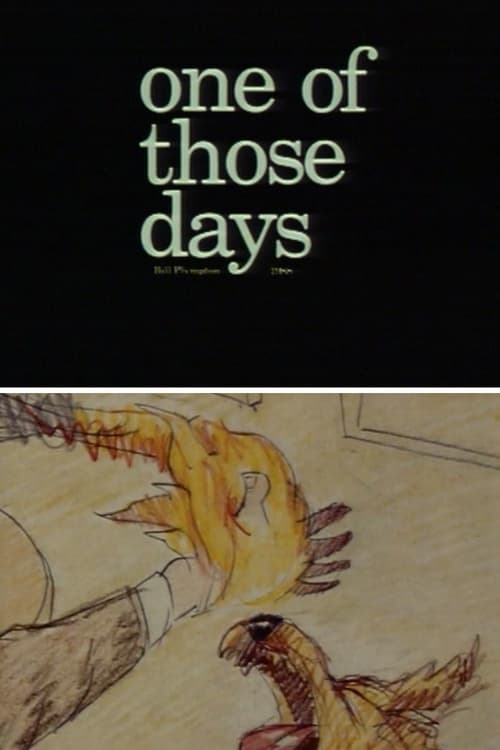
The first story-time segment is about a cheerful cockroach named Don, who scurries throughout his mansion home, walks beneath the floorboards and does unspeakable things in the darkness of the cupboard, before being splatted by somebody's foot. The second segment is about an ordinary man named Albert Einstein ("the only Albert Einstein not to have discovered the Theory of Relativity") whose hands have a life of their own, staying out late at night, misbehaving and committing adultery with feet. The third segment – hasn't much story to it at all, and instead concerns the inhabitants of the moving pictures on an over-sized Christmas card, who interact with each other in all sorts of bizarre ways.
1990
2009
1991

1988

1991

1990

1989
1988
No reviews yet. Be the first to share your thoughts on this movie!
Use the rating form above to leave a star rating and optional review.