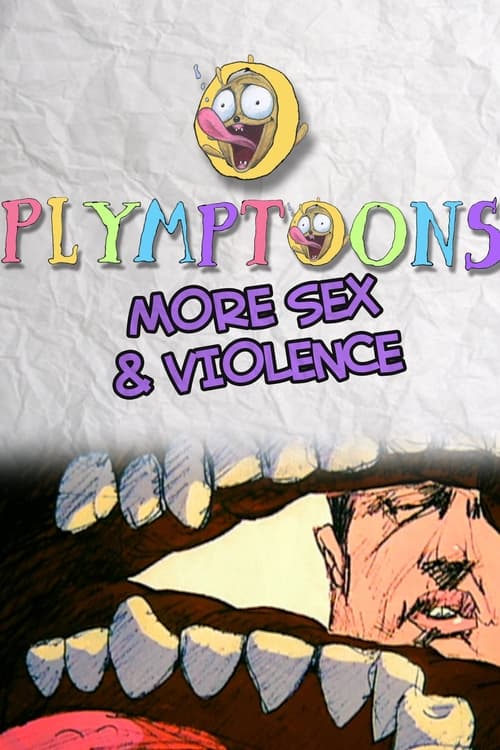
More Sex & Violence
1999
No user ratings available yet
Representation score: 4.5 out of 10
Representation Score
Good
1997
RDirector
Bill Plympton
Runtime
8 minutes
Average Rating
No ratings yetNew Showbiz Analysis
Bill Plympton’s animated short uses a surrealist, episodic structure to explore the raw mechanics of the human condition. By focusing on primal instincts and physical decay, the film disrupts traditional cinematic expectations of character development. The work serves as a postmodern critique, emphasizing existentialist inquiry over structured morality. While it doesn’t offer broad demographic representation, it effectively challenges mainstream social structures through its visceral, non-linear approach.
Category Breakdown
The film examines sexual freedom and breaks down social taboos using its episodic format. However, it doesn't give specific narratives to LGBTQ+ identities or non-traditional gender expressions.
By looking at the minds and bodies of men and women, the film avoids idealized gender roles. It highlights gender through physical vulnerabilities and the aging process.
The story focuses on universal human archetypes rather than specific racial or ethnic identities, creating a homogeneous view of humanity.
The work emphasizes secularism by examining God and time through psychological lenses. It questions traditional Western social norms through moral relativism.
The film engages with themes of physical limitations and aging by focusing on frailties, which contrasts with the idealized physical forms in mainstream media.
Present on Screen
Limited or Absent
Official Synopsis
In eight minutes, animator Bill Plympton gives us 24 vignettes: seven are clearly about sex, 10 about violence, and seven others deal with human frailties, particularly the body as it ages. There are three stories of persons with confused priorities (including a guy tying his shoe while parachuting); the world's first phone sex; and a clever, if dangerous, way to find a lost key. Except for the titles of each sketch and a couple of jokes that turn on noise, these are visual trips into the psyche of men, women, God, animals, and Time (the enemy of us all).
1999
1990
1991
1991
2008
1995
2009
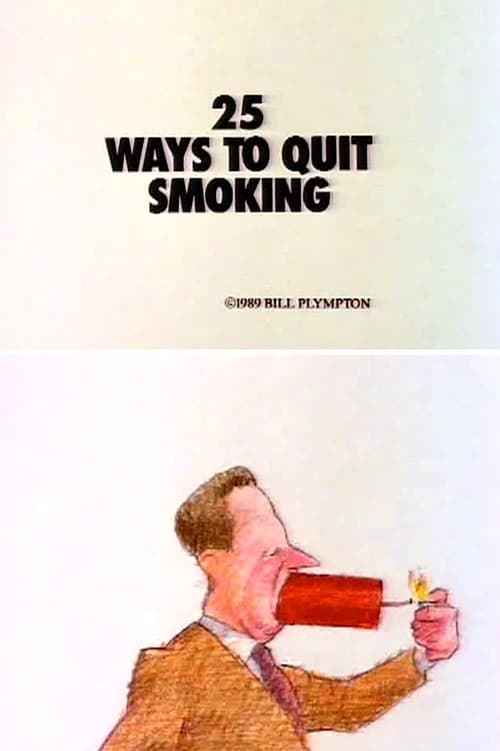
1989
No reviews yet. Be the first to share your thoughts on this movie!
Use the rating form above to leave a star rating and optional review.