
Born to Love
1959
No user ratings available yet
Representation score: 1.1 out of 10
Representation Score
Fair
1956
Director
Usmar Ismail
Runtime
115 minutes
Average Rating
No ratings yetNew Showbiz Analysis
Usmar Ismail’s work is a foundational piece of Indonesian cinema that centers domestic life through a female lens. By focusing on the three sisters, the film gives its protagonists a level of control that was progressive for the mid-1950s. However, the film remains a product of its era, adhering to the assumptions that everyone is straight and cisgender. While it challenges Western cinematic dominance by centering Indonesian identity, it lacks the layered diversity seen in modern works. The score reflects a transitional period where the film moves away from strict hierarchies but stays within conventional romantic and social structures.
Category Breakdown
The film focuses on heterosexual relationships and traditional dating customs. There is no indication of LGBTQ themes or non-binary gender identities in the story.
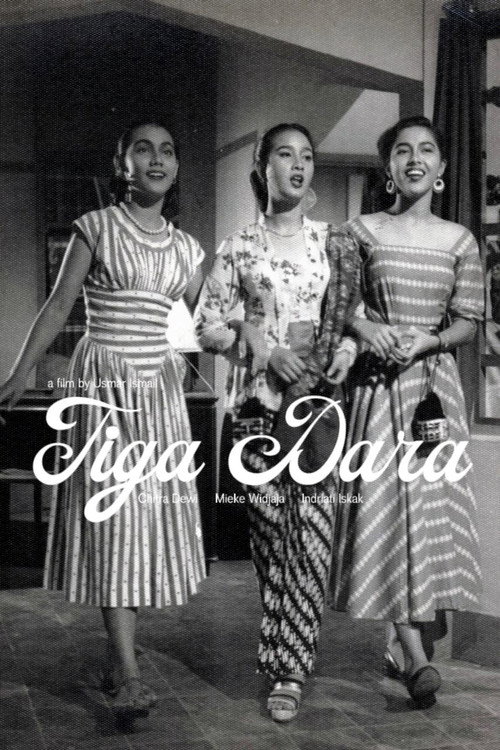
Three sisters drive the emotional core, providing meaningful roles for women. The story explores the tension between women's independence and traditional household duties.
The film offers a localized, non-Western perspective by centering an Indonesian cast and setting. It reflects a specific post-independence cultural identity in Jakarta.
The narrative explores tensions between traditional family structures and a modernizing Jakarta. It subtly critiques the patriarchal household through a detached father figure.
There is no evidence of characters with visible or invisible disabilities being central to the story.
Present on Screen
Limited or Absent
Official Synopsis
Three sisters—Nunung, Nana and Nenny—are being raised by their grandmother in Jakarta after their mother's death. Though the sisters' father Sukandar lives with them, he is too involved in his own work to pay them heed.
1959

1976

2021

2015

1982

1976

1964

1983
No reviews yet. Be the first to share your thoughts on this movie!
Use the rating form above to leave a star rating and optional review.