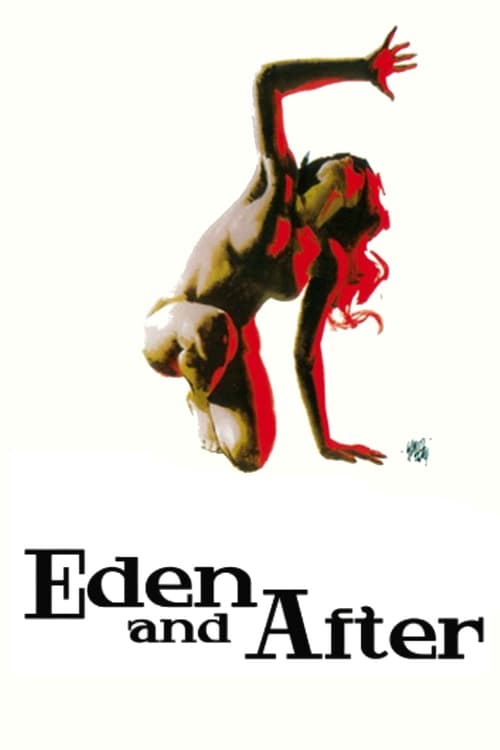
Eden and After
1970
No user ratings available yet
Representation score: 4.7 out of 10

Representation Score
Fair
1974
Not RatedDirector
Alain Robbe-Grillet
Runtime
102 minutes
Average Rating
No ratings yetNew Showbiz Analysis
Alain Robbe-Grillet’s work deconstructs traditional narrative and social structures. The film challenges Western hierarchies and gendered power dynamics through its structure rather than broad demographic representation. Though the film lacks racial diversity and specific LGBTQ+ identities, it emphasizes fluid desire and moral relativism. This approach questions the stability of institutional authority, such as legal systems, by prioritizing subjective experiences over objective morality. Ultimately, the film’s strength lies in its refusal to provide a clear moral message, making it a profound critique of systemic structures demanding such clarity.
Category Breakdown
The film challenges traditional views of sexuality by focusing on fluid desire and eroticism. It avoids labeling characters but highlights shifting sexual attractions and voyeurism, questioning fixed ideas about sexual orientation.
The film portrays women's ability to drive the story as a powerful force that disrupts established order. The protagonist uses her influence to create chaos by manipulating male-dominated institutions like the police and judiciary.
The film lacks significant racial or ethnic diversity. It focuses on stylized, European-centric psychological landscapes without evidence of non-white casting to disrupt historical norms.
The film embraces moral relativism and questions traditional legal systems. It suggests that subjective experiences are more important than objective laws when dealing with complex human desires.
There is no information about the portrayal of physical or neurodivergent disabilities in the film.
Present on Screen
Limited or Absent
Official Synopsis
A young woman is questioned by the police and the judges, suspected of being a modern witch. The girl who shared her apartment has been found dead, and a pair of scissors impaled through her heart, as she lay attached to the bedposts. Apparently, the girl does have powers, to make all people around her fall prey to her spell, glissing progressively into desire, lust, and the unknown.
1970
1971
1983
1968
1963
1981
2004
1976
No reviews yet. Be the first to share your thoughts on this movie!
Use the rating form above to leave a star rating and optional review.