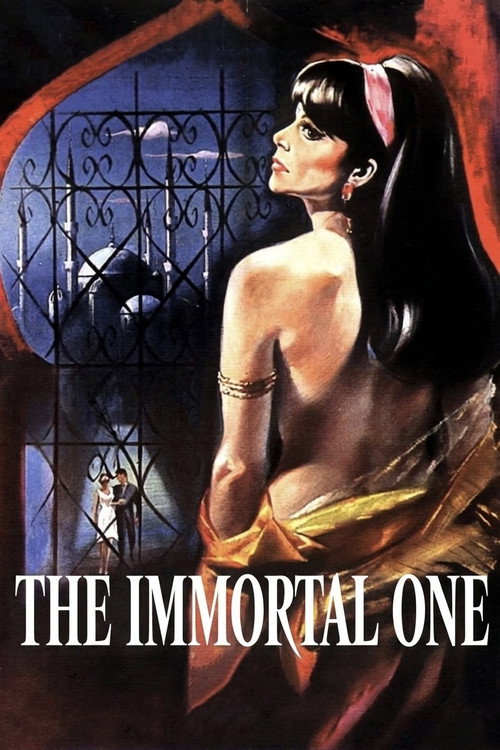
The Immortal One
1963
No user ratings available yet
Representation score: 5.3 out of 10
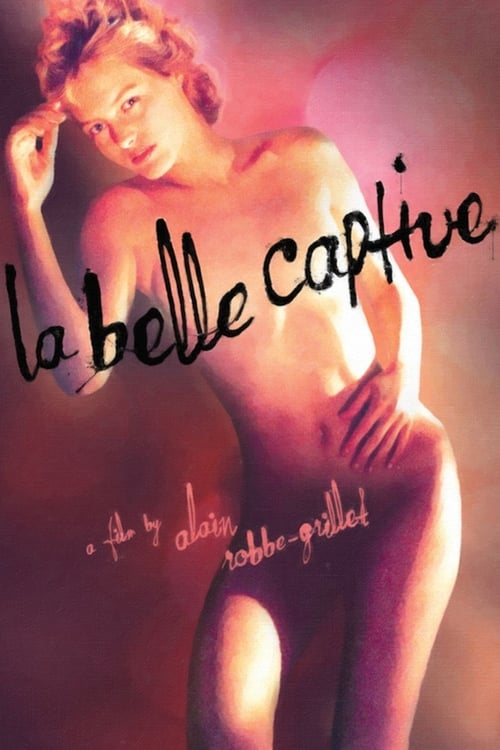
Representation Score
Good
1983
Not RatedDirector
Alain Robbe-Grillet
Runtime
88 minutes
Average Rating
No ratings yetNew Showbiz Analysis
Alain Robbe-Grillet’s work focuses on breaking down traditional narrative structures rather than broadening demographic representation. The film successfully challenges traditional gender power dynamics, offering a progressive shift from conventional hierarchies. However, the film falls short in terms of racial and LGBTQ+ visibility, maintaining a homogeneous cast and focusing on heterosexual relationships. Overall, the film serves as an experimental piece that questions societal norms through moral ambiguity rather than through diverse representation.
Category Breakdown
The film emphasizes erotic tension between the two main characters, but it stays within the boundaries of traditional heterosexual relationships without explicitly addressing LGBTQ themes.
The movie challenges traditional gender roles by placing the female character in a position of power, which shifts the focus away from male-dominated control.
The cast is predominantly white, reflecting a narrow European perspective. There are no non-white characters or racial diversity in the storyline.
The film stands out by questioning traditional moralities through its isolated setting, making social institutions like law and religion seem irrelevant.
The film uses themes of psychological instability as stylistic elements, but it does not provide specific representations of disabilities or neurodivergence.
Present on Screen
Limited or Absent
Official Synopsis
Walter is told by his boss, Sara, to deliver an urgent letter to Henri de Corinthe. On the way he finds a beautiful woman he had been eying in a nightclub, lying in the road, bound up. He takes her to a villa to get a doctor, and ends up being locked in a bedroom with her. While she is making love to him, he has visions of surrealistic images from René Magritte's paintings. In the morning, the girl, Marie-Ange, has vanished, the villa looks derelict, and his neck is bleeding. Was it all just a nightmare?
1963
1974
1974
1973
1970
1997
1982

1981
No reviews yet. Be the first to share your thoughts on this movie!
Use the rating form above to leave a star rating and optional review.