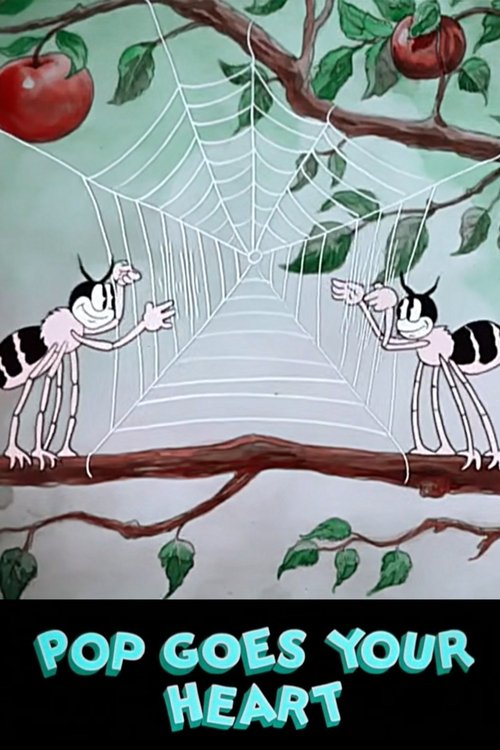
Pop Goes Your Heart
1934
No user ratings available yet
Representation score: 0.1 out of 10
No Poster Available
Representation Score
Minimal
1944
ApprovedDirector
Eddie Donnelly
Runtime
6 minutes
Average Rating
No ratings yetNew Showbiz Analysis
A Day in June is a mid-1940s animated study of wildlife basking in meadows. Because the film centers on birds, bees, and insects, it lacks the human-centric frameworks necessary to address identity-based storytelling. The production functions as a benign, observational piece of nature animation. It does not engage with social commentary, systemic critique, or the complexities of subjective morality. Ultimately, the film's focus on the natural world results in a complete absence of representation regarding human social structures, gender roles, or overlapping aspects of identity.
Category Breakdown
The film focuses on the biological observations of birds, bees, and insects. It contains no narratives regarding non-straight or non-cisgender identities or critiques of the assumption that everyone is straight or cisgender.
The animation depicts animal behavior in a meadow setting. It lacks character arcs or the subversion of traditional gender roles, focusing instead on passive natural scenes.
As the subjects are non-human wildlife, human social structures like race and ethnicity do not apply. There is no evidence of species used as ethnic metaphors.
The work aligns with traditional, non-ideological nature studies from the 1940s. It avoids social critique or the deconstruction of cultural institutions.
The film provides no indication of characters with visible or invisible disabilities. There is no neurodivergent representation among the animal subjects.
Present on Screen
Limited or Absent
Official Synopsis
A day in June in which the birds, bees, insects and other forms of wild-life are basking in the fields and meadows.
1934
1930
1950
1948
1930
1930
1933
1931
No reviews yet. Be the first to share your thoughts on this movie!
Use the rating form above to leave a star rating and optional review.