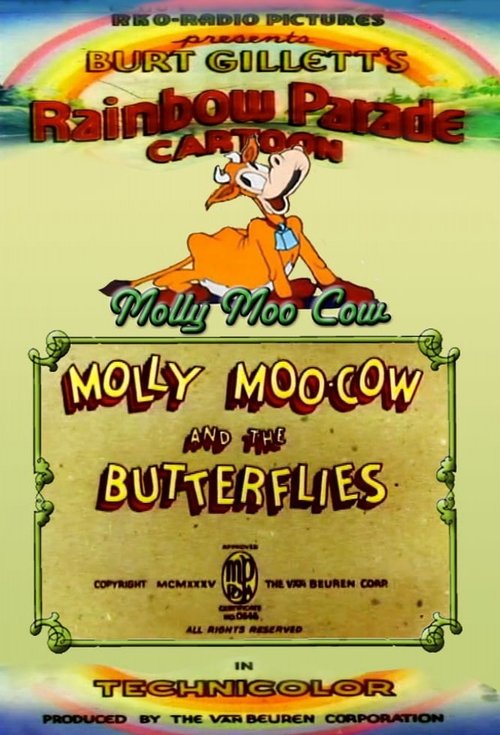
Molly Moo-Cow and the Indians
1935
No user ratings available yet
Representation score: 1.1 out of 10
Representation Score
Minimal
1935
ApprovedDirector
Burt Gillett, Tom Palmer
Runtime
7 minutes
Average Rating
No ratings yetNew Showbiz Analysis
This 1935 animated short is a simple fable focusing on a heroic animal character. The plot centers around a straightforward rescue narrative without the complexity needed for diverse representation. The film adheres to the established norms of early 20th-century children's media. It reinforces traditional moral binaries without challenging existing social hierarchies or storytelling conventions. Since the characters are anthropomorphic animals, the film avoids the complexities of human demographics, resulting in low diversity scores across most categories.
Category Breakdown
The film doesn't show any non-straight relationships or identities. It follows the conventional social structures typical of the 1930s.
Molly, the female cow protagonist, shows initiative by rescuing the butterflies. However, the film doesn't challenge gender hierarchies or offer complex character development.
As an animal fable, the film doesn't depict any racial or ethnic diversity. The story focuses on animals and a collector within a closed environment.
The narrative follows a traditional moral framework of rescuer versus captor. It doesn't critique traditional institutions or include secular themes.
There is no evidence of characters with physical or neurodivergent disabilities.
Present on Screen
Limited or Absent
Official Synopsis
Molly rescues a bunch of butterflies after they are captured by a butterfly collector.
1935
1939
1939
1935
1938
1934
1936
1936
No reviews yet. Be the first to share your thoughts on this movie!
Use the rating form above to leave a star rating and optional review.