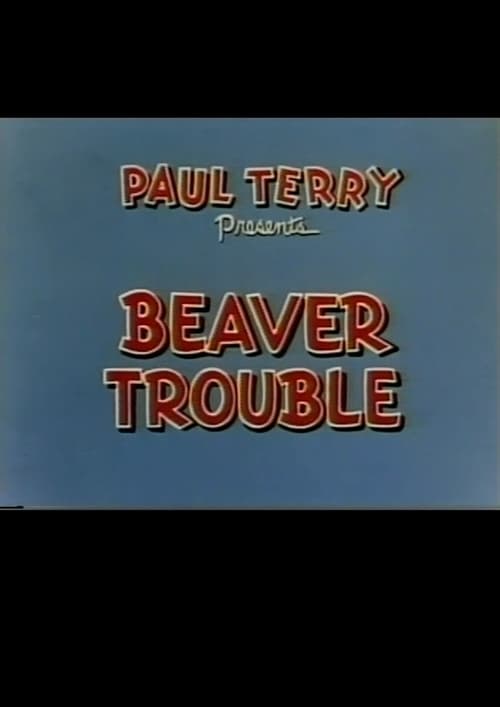
Beaver Trouble
1951
No user ratings available yet
Representation score: 1.1 out of 10
No Poster Available
Representation Score
Minimal
1950
ApprovedDirector
Eddie Donnelly
Runtime
7 minutes
Average Rating
No ratings yetNew Showbiz Analysis
This 1950s animated film serves primarily as an environmental fable rather than a platform for social representation. The central conflict revolves around a male character's industrial actions disrupting a serene forest environment. While the animal characters collectively work to protect their habitat, they remain symbolic archetypes. The film does not delve into multi-layered complexities, sticking to the conventional storytelling methods of its time. Ultimately, the narrative emphasizes a moral lesson about nature's power over a more nuanced exploration of diverse human identities and social issues.
Category Breakdown
The film does not include any representation of non-binary or transgender identities. It follows a traditional storyline centered around animal characters and their interactions with nature.
The story focuses on a single male character who serves as the antagonist. There are no female characters to offer a contrasting perspective or challenge traditional gender roles.
The film's setting involves animal characters that bypass human racial dynamics. The characters adhere to the homogeneity typical of 1950s-era storytelling without incorporating ethnic diversity.
The narrative contrasts industrial expansion with environmental preservation. It emphasizes the inherent power of nature without specifically addressing cultural or institutional critiques.
None of the characters exhibit visible or invisible disabilities. The animal characters represent nature's forces rather than individual characters with specific physical or cognitive differences.
Present on Screen
Limited or Absent
Official Synopsis
Spring comes and melts winter's icy blanket and the forest is a merry place. The birds and beavers, and the flowers and the trees awaken after their winter's slumber. But the invasion of a woodsmen brings sadness as he begins to chop down a fir tree. All the animals come to the trees rescue and prevent him from chopping it down. When he tries to blast it down with dynamite, a caterpillar calls down a rainstorm and the frustrated woodsmen departs, leaving the idyllic forest to its inhabitants.
1951
1994
1944
1992
1941
1931
1935
1958
No reviews yet. Be the first to share your thoughts on this movie!
Use the rating form above to leave a star rating and optional review.