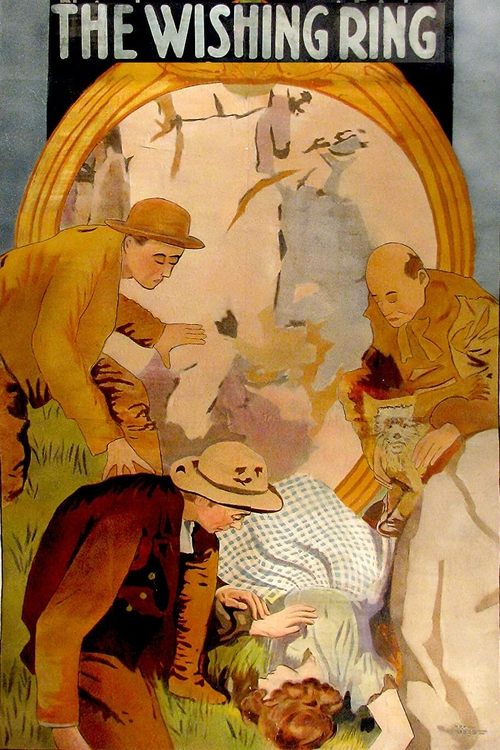
The Wishing Ring: An Idyll of Old England
1914
No user ratings available yet
Diversity score: 1.7 out of 10
1937
ApprovedDirector
Crane Wilbur
Runtime
21 minutes
Average Rating
No ratings yetSynopsis
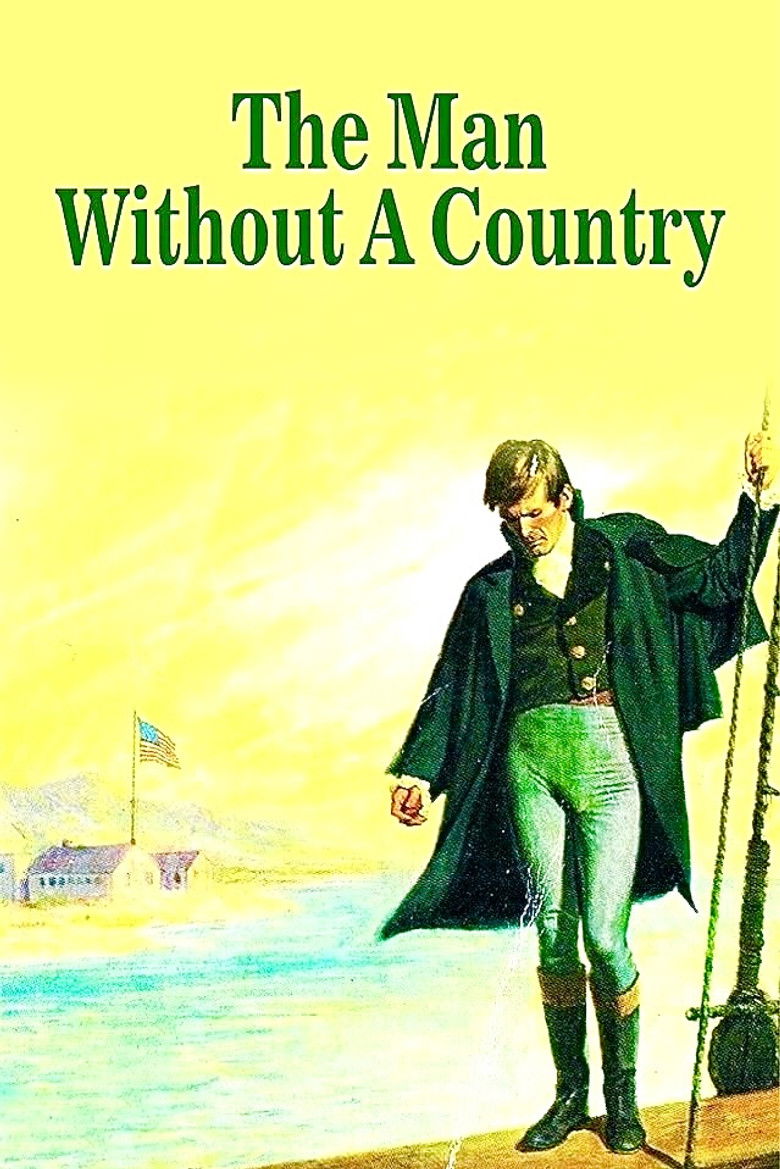
This short film tells the story of a disgraced U.S. army officer who is charged with treason. At his court martial he is sentenced to lifetime exile aboard American ships at sea, no crew member can mention anything about the United States within his hearing, and in the books he is allowed to read all references to the United States are removed.
Overall Score
Minimal
Category Breakdown
LGBTQ+ Representation
The film lacks any representation of non-cisnormative identities. The narrative focuses entirely on the protagonist's moral struggle and his relationship with the state.
Gender Representation
The story operates within a patriarchal framework centered on military honor and treason. The central conflict is driven by male-dominated institutions and masculine concepts of duty.
Racial & Ethnic Diversity
The film centers on a homogeneous Anglo-Saxon perspective of American identity. There is no evidence of a diverse cast or varied ethnic perspectives.
Religious & Cultural Diversity
The narrative reinforces the sanctity of the nation-state and patriotism. It affirms traditionalist values by framing the protagonist's struggle as a need for national reintegration.
Disability Representation
There is no evidence of characters with visible or invisible disabilities. No such characters are utilized as plot devices or portrayed with agency.
Strengths
Areas for Improvement
AI Analysis
The Man Without a Country is a traditionalist period drama that prioritizes national identity and civic duty over social complexity. The narrative architecture is built around a singular, conventional exploration of patriotism within a mid-20th-century framework. Because the film focuses on military honor and the consequences of treason, it reinforces established social hierarchies. The story functions to affirm the importance of the state rather than deconstructing its institutions. Ultimately, the work lacks intersectional depth, offering a narrow view of Americanism that aligns with the social constraints of its era.
1914
1948

1932

1934

1943
1929
1923
1946
1939
1934

2013

1954
No reviews yet. Be the first to share your thoughts on this movie!
Use the rating form above to leave a star rating and optional review.