
Uncle Boonmee Who Can Recall His Past Lives
2010
No user ratings available yet
Representation score: 8.2 out of 10
Representation Score
Excellent
2016
Director
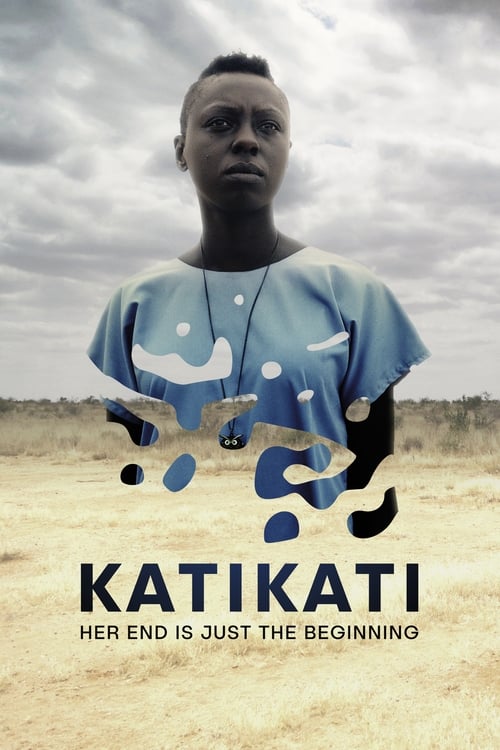
Mbithi Masya
Runtime
75 minutes
Average Rating
No ratings yetNew Showbiz Analysis
Kati Kati is a sophisticated film that centers an African metaphysical experience. It stands out by shifting the narrative focus away from Western spiritual norms and toward reclaiming cultural and racial ability to act. The film's strength lies in its use of a Kenyan landscape and non-Western frameworks to explore universal themes of identity. It effectively disrupts traditional Western storytelling structures. However, the film focuses more on individual existentialism rather than explicit identity politics, resulting in moderate scores for LGBTQ+ and gender representation.
Category Breakdown
The film explores the existence of souls in limbo, focusing on spiritual journeys rather than specific LGBTQ+ identities. It avoids traditional heterosexual norms by emphasizing spiritual essence over social roles.
The film centers on a male character's journey towards redemption. However, it avoids reinforcing patriarchal norms by portraying female characters with individual complexity and ability to act.
The film highlights the narrative ability to act of Black characters by placing them at the center of the story. Set in Kenya, it moves beyond including someone from a minority group without giving them real depth to emphasize cultural importance.
The narrative emphasizes non-Western spiritual practices and personal redemption over strict adherence to organized religion. It critiques Western narrative traditions through a cyclical reality.
The film uses amnesia and disorientation as central metaphysical themes. It avoids mocking these conditions, instead exploring the fragility of identity through confusion and loss of memory.
Present on Screen
Limited or Absent
Official Synopsis
Bereft of earthly memories, a new arrival in the afterlife struggles to recover the past, in this poetic fantasy that offers a dark reflection on personal atonement in the shadow of Kenya’s violent past. Imagine waking up one day in a barren wasteland. Amnesia leaves you clueless as to your whereabouts, your identity, and how you arrived. A small group of strangers welcomes you to a nearby oasis resort, and they reveal to you the nature of this new reality. You are dead. And this is the afterlife. This is what happens to Kaleche (Nyokabi Gethaiga) in the enigmatic opening sequence of Kati Kati, writer-director Mbithi Masya's poetic first feature film.
2010

2015
2016
2004

2024

1994
2004

2004
No reviews yet. Be the first to share your thoughts on this movie!
Use the rating form above to leave a star rating and optional review.