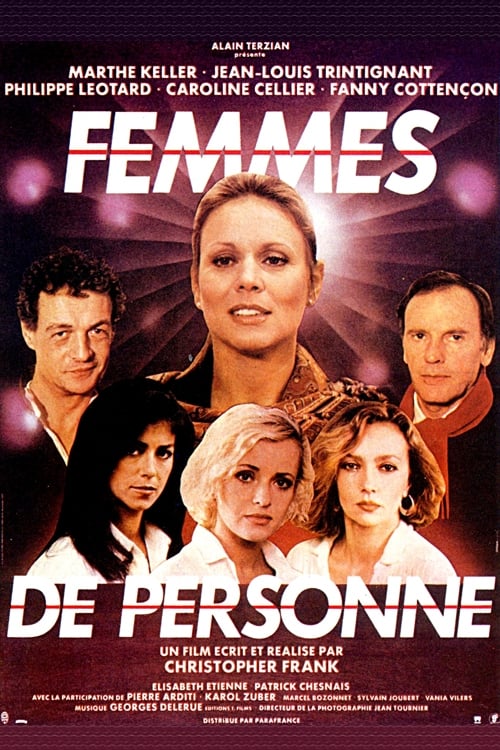
Femmes de personne
1984
No user ratings available yet
Representation score: 4.9 out of 10
Representation Score
Fair
1992
Director
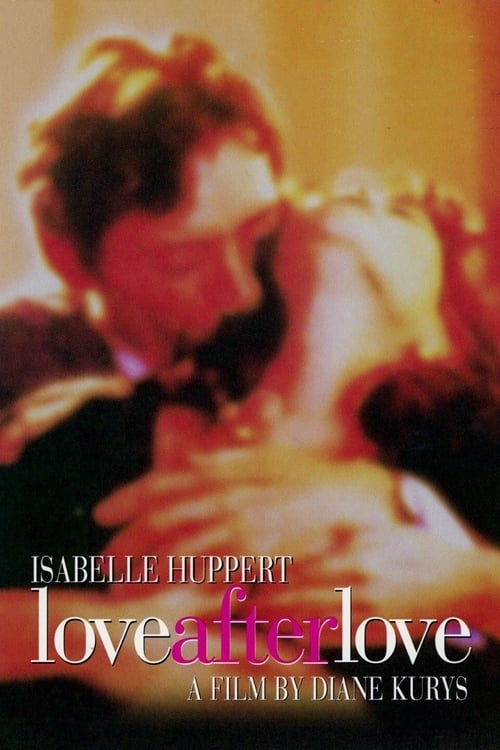
Diane Kurys
Runtime
104 minutes
Average Rating
No ratings yetNew Showbiz Analysis
Diane Kurys creates a nuanced feminist film that challenges traditional gender roles. By focusing on Lola’s intellectual and emotional independence, the film effectively disrupts patriarchal hierarchies and the 'provider' stereotype. However, the film lacks diversity in its representation of LGBTQ+ identities and racial backgrounds, limiting its broader inclusivity. Overall, the film emphasizes individual autonomy and female subjectivity, presenting a 'cinema of the self' that questions traditional social structures.
Category Breakdown
The film centers on heterosexual relationships and does not include any explicit same-sex intimacy or non-cisgender identities among the main characters.
Lola is portrayed as a strong, independent woman who maintains emotional autonomy and challenges traditional expectations of submissive femininity.
The film is set in a homogeneous middle-class French environment and does not depict significant racial diversity.
The film critiques the traditional nuclear family structure, emphasizing individual self-discovery over maintaining traditional marital or familial sanctity.
The film does not feature any characters with visible or invisible disabilities, nor does it use disability as a central plot device.
Present on Screen
Limited or Absent
Official Synopsis
Lola is an independent woman, a professional writer with 2 men on a string. Both men are married with children. When the men, and Lola, face having to make choices, Lola's comfortable life becomes less appealing.
1984

1972
2023
1933
2002
1971

2021
1986
No reviews yet. Be the first to share your thoughts on this movie!
Use the rating form above to leave a star rating and optional review.