
Once, I Loved You
2000
No user ratings available yet
Diversity score: 5.1 out of 10
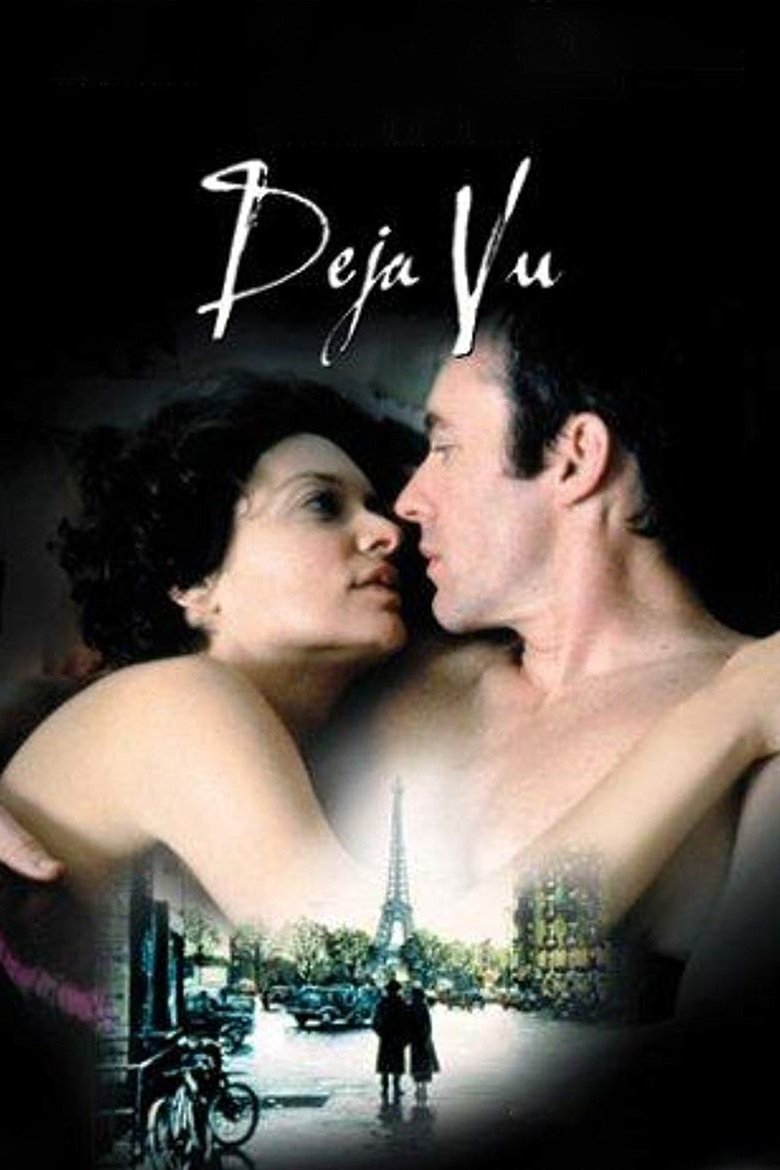
1998
PG-13Director
Henry Jaglom
Runtime
117 minutes
Average Rating
No ratings yetSynopsis
L.A. shop owner Dana and Englishman Sean meet and fall in love at first sight, but Sean is married and Dana is to marry her business partner Alex.
Overall Score
Fair
Category Breakdown
LGBTQ+ Representation
The film lacks prominent or central LGBTQ+ identities. Romantic entanglements and infidelity are framed within heteronormative structures, offering no explicit queer presence or non-cisnormative narratives.
Gender Representation
Female agency and intellectual autonomy are central to the narrative. The film passes the Bechdel test, as women engage in sophisticated debates regarding their personal lives and philosophies.
Racial & Ethnic Diversity
The cast reflects a homogeneous demographic, primarily white actors within a specific Los Angeles creative circle. It lacks significant racial diversity or the integration of non-Anglo-Saxon perspectives.
Religious & Cultural Diversity
The story prioritizes subjective experience and moral relativism over a singular truth. However, it remains rooted in a middle-class Western framework without systemic critiques.
Disability Representation
There is no discernible focus on visible or invisible disabilities. No specific instances of disability are central to the narrative or character arcs.
Strengths
Areas for Improvement
AI Analysis
Henry Jaglom’s *Déjà Vu* is an intellectual character study that prioritizes conversational fluidity over traditional plot. It succeeds in presenting nuanced gender dynamics through sophisticated dialogue and female agency, subverting standard romantic tropes. However, the film is demographically narrow. It lacks significant racial and LGBTQ+ representation, focusing instead on a homogeneous, white, middle-class Western social circle. This limits the breadth of its exploration of the human condition. Ultimately, the film is a postmodern exploration of interpersonal instability. While it offers depth in its treatment of gender and subjectivity, it remains confined within a traditionalist demographic profile.
2000

1992

2017

2022
2004

2002

2011

1998
2006
1999
1987

1978
No reviews yet. Be the first to share your thoughts on this movie!
Use the rating form above to leave a star rating and optional review.