
A Woman's Love
2001
No user ratings available yet
Representation score: 6.4 out of 10

Representation Score
Fair
1997
Director
Brigitte Roüan
Runtime
97 minutes
Average Rating
No ratings yetNew Showbiz Analysis
After Sex is a striking example of feminist cinematic architecture that prioritizes female autonomy over the traditional male gaze. By centering the narrative on the protagonist's internal monologue and sexual autonomy, the film successfully deconstructs conventional romantic drama hierarchies. However, the film's progressive social themes are offset by a lack of demographic breadth. The focus on a specific white, Parisian milieu results in limited racial and ethnic diversity, and the narrative does not explicitly center queer identities. Ultimately, the film's value lies in its intellectual subversion of gendered power dynamics and traditional moral frameworks, even if its visual representation remains demographically narrow.
Category Breakdown
The film does not prominently feature LGBTQ+ characters or non-binary identities as central plot drivers. While it explores the fluidity of desire, it remains focused on the protagonist's specific interpersonal relationships.
The narrative emphasizes female sexual desire and autonomy as the main driving force of the plot. It avoids the cliché of the passive woman, instead highlighting a sophisticated, female-centric perspective.
The cast is predominantly white and focuses on a Parisian setting. While this reflects the specific urban environment, the film does not significantly explore racial or ethnic diversity.
The story is centered around secularism and moral relativism. It prioritizes personal autonomy and subjective truth over traditional religious or institutional morality, framing sexual ethics as individual freedom.
There are no prominent depictions of physical or neurodivergent disabilities that serve as central character elements or plot drivers.
Present on Screen
Limited or Absent
Official Synopsis
The end of an affair from the woman's point of view.
2001

1974

1969

1995

1999
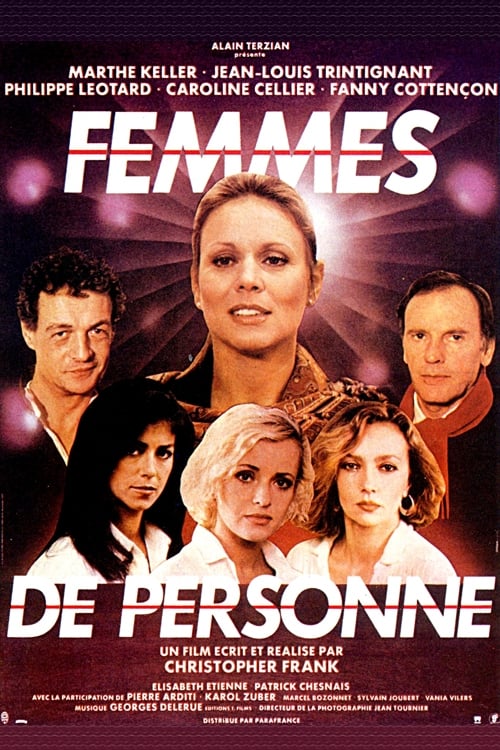
1984

1993

2007
No reviews yet. Be the first to share your thoughts on this movie!
Use the rating form above to leave a star rating and optional review.