The German Friend
2012
No user ratings available yet
Representation score: 6.6 out of 10
Representation Score
Good
2013
Director
Carlos Bolado
Runtime
105 minutes
Average Rating
No ratings yetNew Showbiz Analysis
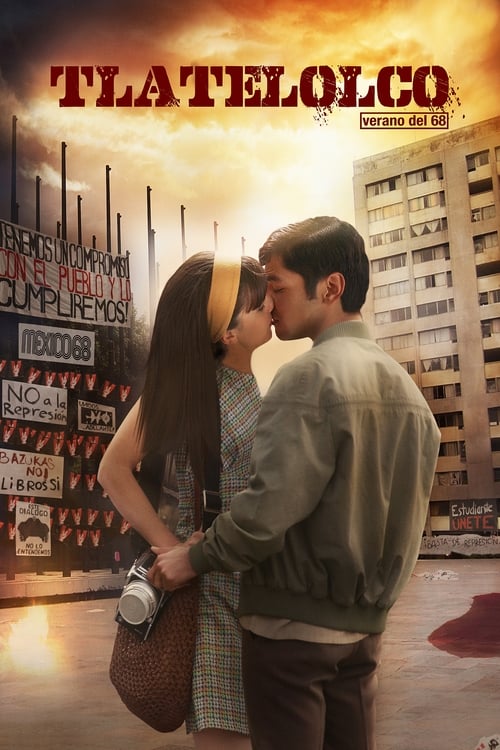
Carlos Bolado’s work serves as a vital act of historical reclamation. By centering the voices of the underrepresented, the film dismantles the legitimacy of the ruling establishment and critiques the systemic failures of the state. The narrative effectively uses a post-colonial lens to challenge official government accounts. It frames the 1968 massacre as a profound failure of institutional morality rather than a mere historical footnote. While the film excels at social and political critique, it lacks specific visibility regarding LGBTQ+ identities and disability representation.
Category Breakdown
The film focuses on the collective political struggles and socioeconomic divisions of the 1968 movement. There is no explicit portrayal of LGBTQ+ identities or non-cisgender narratives.
Women are shown as active participants rather than passive observers. Characters like Ana Maria highlight the role of women in documenting and engaging in politics.
The narrative explores the complex Mexican social fabric by highlighting the intersection of class and identity. It showcases a diverse range of people against a dominant power structure.
The film critiques traditional authoritarianism by emphasizing the subjective experiences of victims over official state versions. It challenges the sanctity of institutions and centralized authority.
There are no specific depictions of visible or invisible disabilities that drive the narrative forward.
Present on Screen
Limited or Absent
Official Synopsis
As Mexico prepares to host the 1968 Olympics, students and civilians are uniting on the streets to protest the authoritarian government. Tensions are running high and the eyes of the world are on Mexico and President Gustavo Diaz Ordaz. Ana Maria, a student photographer and daughter of a high-ranking official, finds herself embroiled in the movement and is swept off her feet by Félix, a working-class architecture student. This film remembers the events that led to one of the darkest chapters in Mexico’s recent history: the massacre at Tlatelolco, 10 days before the opening of the Olympic Games.
2012
2004
2019

2015
2009
1995

2017
2011
No reviews yet. Be the first to share your thoughts on this movie!
Use the rating form above to leave a star rating and optional review.