Children of the Wind
1995
No user ratings available yet
Representation score: 5.4 out of 10
Representation Score
Fair
1996
Director
Leon Ichaso
Runtime
102 minutes
Average Rating
No ratings yetNew Showbiz Analysis
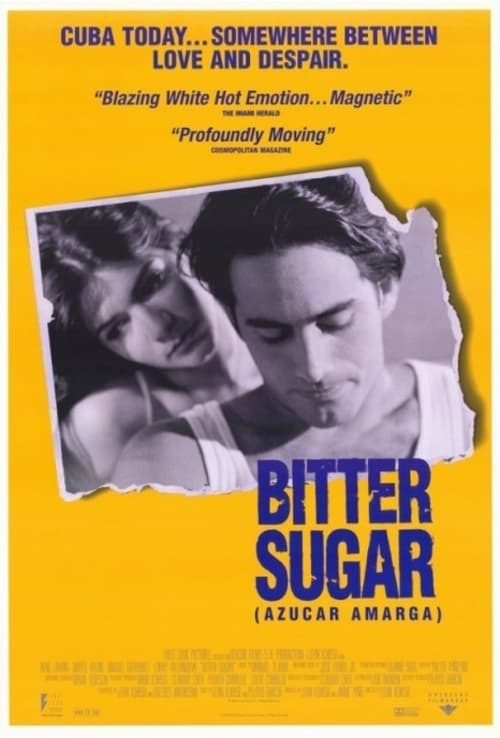
Bitter Sugar is a historically significant drama that disrupts conventional narratives by centering Afro-Cuban identities. Its exploration of post-colonial struggle and the dismantling of oppressive hierarchies offers a sophisticated look at mid-century power dynamics. However, the film adheres to traditional social norms, with romantic arcs and gender dynamics reflecting the patriarchal constraints of the era rather than challenging them. There is also a notable absence of LGBTQ+ representation. Ultimately, the film's strength lies in its racial authenticity and its critique of established political and economic institutions, providing a nuanced view of systemic upheaval.
Category Breakdown
The film centers on a traditional romance between the protagonist and a dissident's daughter, lacking any non-straight identities or same-sex intimacy.
Female characters play crucial roles in driving the emotional stakes, but their influence is often constrained by male political figures, reflecting the patriarchal structures of 1950s Cuba without challenging them.
The production features a predominantly Afro-Cuban and Latino cast, effectively highlighting socioeconomic disparities and underrepresented perspectives within the historical struggle.
The narrative challenges Western-aligned power structures by focusing on the revolutionary movement, engaging deeply with anti-colonial themes and the dismantling of existing political hierarchies.
There is no significant portrayal of physical or neurodivergent disabilities within the narrative.
Present on Screen
Limited or Absent
Official Synopsis
A patriot (René Lavan) with a rebellious brother falls in love with a dissident's daughter (Mayte Vilán) in Castro's Cuba.
1995

2013

2020
2009

2001

2005
2009

2000
No reviews yet. Be the first to share your thoughts on this movie!
Use the rating form above to leave a star rating and optional review.