
All a Bir-r-r-d
1950
No user ratings available yet
Representation score: 0.3 out of 10
Representation Score
Minimal
1948
GDirector
Friz Freleng
Runtime
7 minutes
Average Rating
No ratings yetNew Showbiz Analysis
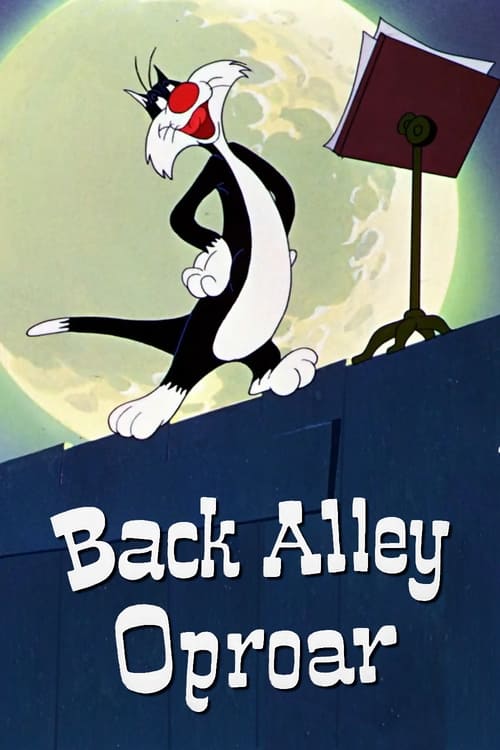
Back Alley Oproar is a classic mid-century animation that prioritizes rhythmic timing and physical comedy over social or identity-based storytelling. The film centers on a kinetic rivalry between anthropomorphic animals, which lacks the complexity needed to engage with characters who reflect more than one aspect of diversity. The characters exist within traditional comedic archetypes that do not challenge social hierarchies. Ultimately, the work reflects the standard animation clichés of its era, focusing on localized conflict rather than exploring broader cultural or identity-driven themes.
Category Breakdown
The story revolves around a musical conflict between anthropomorphic animals. There are no representations of LGBTQ+ identities or same-sex relationships.
The short features male characters engaged in a high-energy rivalry. It follows traditional slapstick dynamics without challenging gender roles or exploring power dynamics.
Set in a stylized urban alley, the characters lack specific racial or ethnic markers. The cast is homogeneous, relying on standard animation clichés of the time.
The film operates within a framework of traditional slapstick comedy. It avoids systemic critiques or religious deconstruction, focusing instead on a personal struggle for peace.
There are no depictions of physical, sensory, or neurodivergent identities. Characters are presented as able-bodied participants in slapstick comedy.
Present on Screen
Limited or Absent
Official Synopsis
Sylvester sings opera and popular tunes while standing on a back alley fence; Elmer, who wants to sleep, tries to thwart him.
1950
1954
1942
1946
1951
1940
1949
1942
No reviews yet. Be the first to share your thoughts on this movie!
Use the rating form above to leave a star rating and optional review.