
The Adventures of Hajji Baba
1954
No user ratings available yet
Representation score: 1.9 out of 10
Representation Score
Limited
1953
NRDirector
Richard L. Bare
Runtime
78 minutes
Average Rating
No ratings yetNew Showbiz Analysis
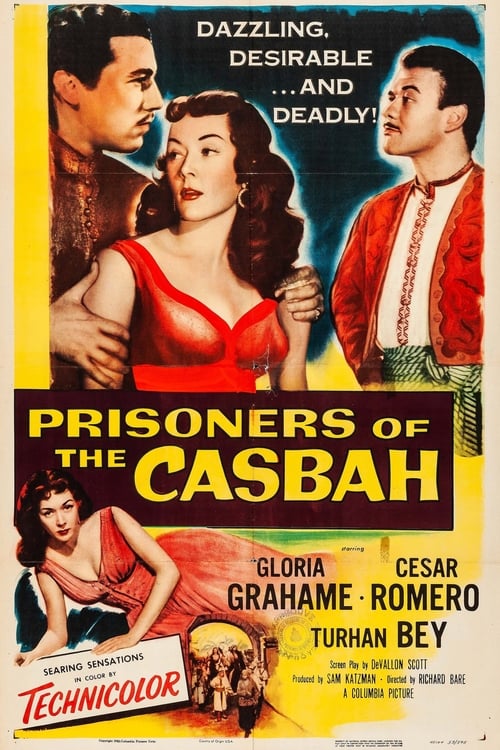
Prisoners of the Casbah functions as a conventional mid-century adventure-romance. It relies heavily on escapist clichés and romanticized views of North African settings, which align with the Orientalist cinematic traditions of 1953. The narrative reinforces established social and gender power dynamics. The plot centers on class conflict and a female protagonist whose ability to drive the story is limited by patriarchal customs. Ultimately, the film lacks the complexity needed to challenge traditional Western perspectives. It adheres to the period-typical archetypes of its era rather than offering nuanced cultural or identity-based representation.
Category Breakdown
The film follows a traditional romance between a male thief and a princess, without any representation of LGBTQ+ identities or critiques of typical pairings.
The female lead's survival hinges on marriage and male-dominated social structures. Her ability to drive the story is limited by patriarchal customs, reinforcing traditional gender roles.
The Moroccan setting likely uses exoticized, Orientalist depictions common to the era. The narrative relies on colonial-era stereotypes rather than nuanced portrayals of ethnic identity.
The story applies Western storytelling structures to a foreign locale, focusing on social hierarchies and honor codes. It lacks systemic or secular critique.
There is no information available regarding the portrayal of physical or neurodivergent characters.
Present on Screen
Limited or Absent
Official Synopsis
A low-born thief loves a Moroccan Princess. She must marry to escape death at the hands of her enemies. The groom is able to wed or cast away his bride simply by saying "I Marry You" or "I Divorce You" three times.
1954
1959
1951
1952
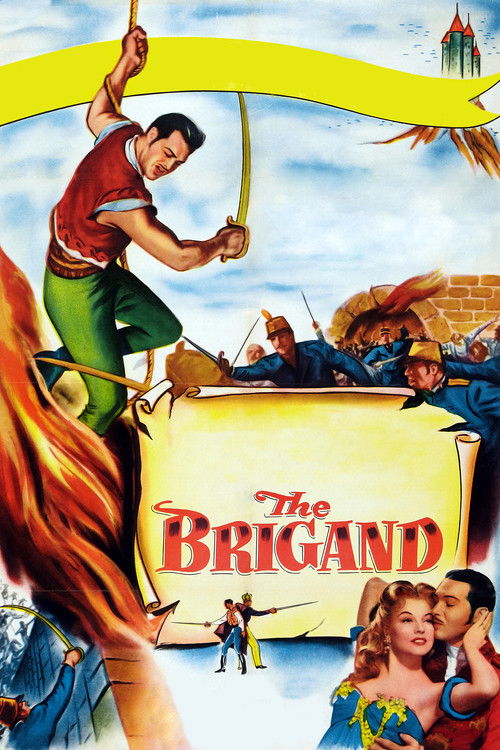
1952

1959
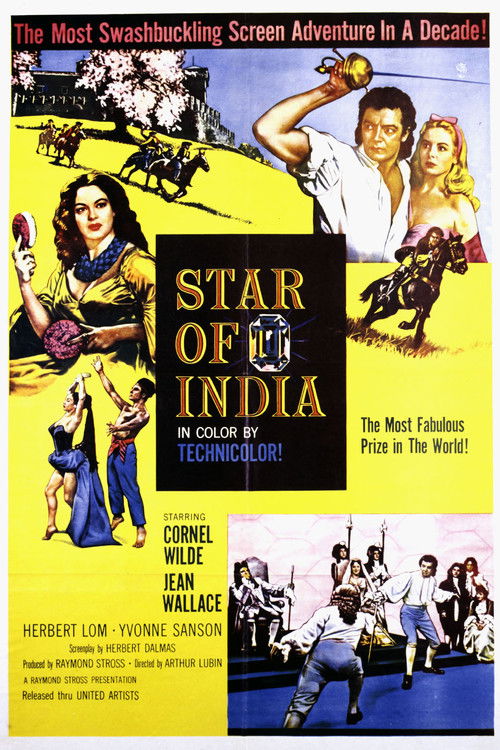
1954
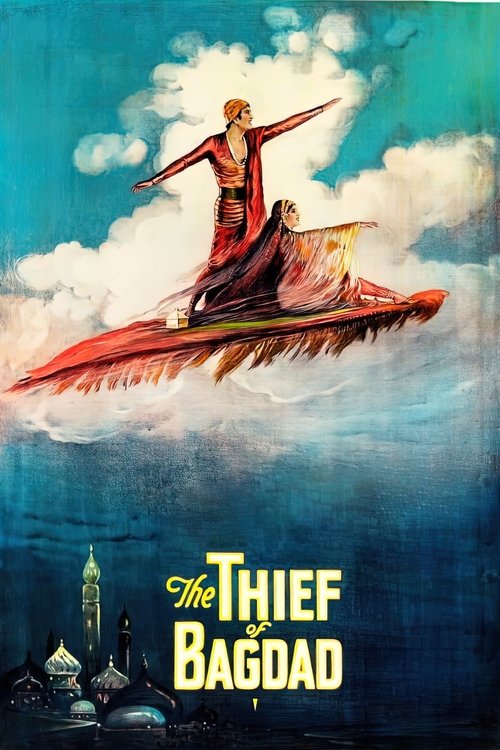
1924
No reviews yet. Be the first to share your thoughts on this movie!
Use the rating form above to leave a star rating and optional review.