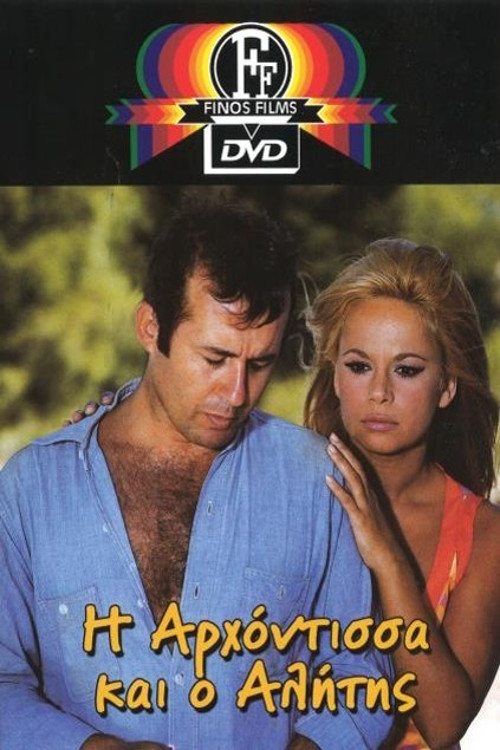
The Lady and the Tramp
1968
No user ratings available yet
Representation score: 4.8 out of 10

Representation Score
Limited
1969
Director
Dinos Dimopoulos
Runtime
102 minutes
Average Rating
No ratings yetNew Showbiz Analysis
This 1969 romantic comedy operates within the strict socio-cultural constraints of its era. The plot focuses on the tension between provincial traditions and urbanized sensibilities, primarily through a classic romantic conflict. While the film offers a slight challenge to patriarchal coercion by framing the heroine's forced engagement as a hurdle to overcome, it ultimately reinforces traditional romantic clichés. The resolution centers on a male lead facilitating the heroine's choice, upholding standard gender roles. Diversity is limited to regional Greek archetypes. The film explores socio-cultural 'othering' between Cretan and Athenian identities rather than addressing racial or ethnic diversity in a modern sense.
Category Breakdown
The film does not include any LGBTQ+ characters or non-straight relationships. The story revolves around a traditional heterosexual relationship between Katerinio and Manousos.
Katerinio's forced engagement with a violent man provides a moment of empowerment, yet the resolution depends on a male hero rescuing her. This reinforces traditional gender roles.
The production focuses on internal Greek regional dynamics rather than racial diversity. It examines cultural differences between Cretan and Athenian identities.
The narrative centers on Mediterranean social structures, family honor, and blood feuds. It resolves family conflicts through romantic union, reinforcing traditional societal norms.
There are no visible or invisible disabilities depicted as central to the narrative arc.
Present on Screen
Limited or Absent
Official Synopsis
Fourtounakis’ daughter, Katerinio, is forced to get engaged with a brutal Cretan, Skandalakis. But the return of Manousos Vrontakis from Athens and his flirtation with the girl leads to a great romance, without them knowing that they belong to families who are longstanding enemies.
1968
1967
1974
1973
1990
1960
1961
1965
No reviews yet. Be the first to share your thoughts on this movie!
Use the rating form above to leave a star rating and optional review.