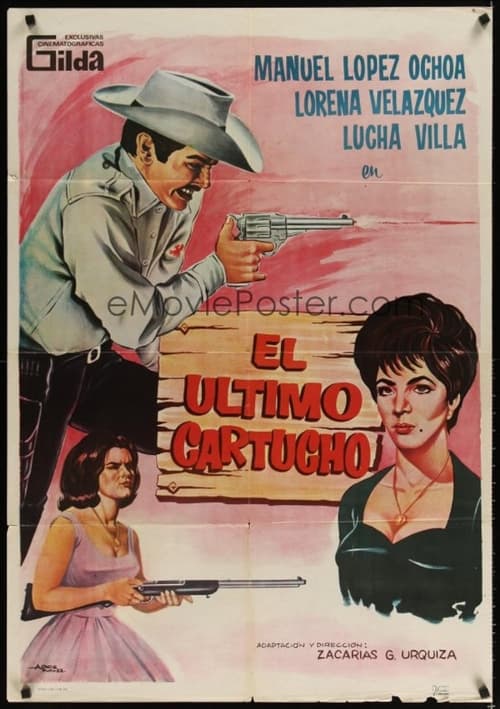
El último cartucho
1965
No user ratings available yet
Representation score: 2.1 out of 10
Representation Score
Fair
1955
Director
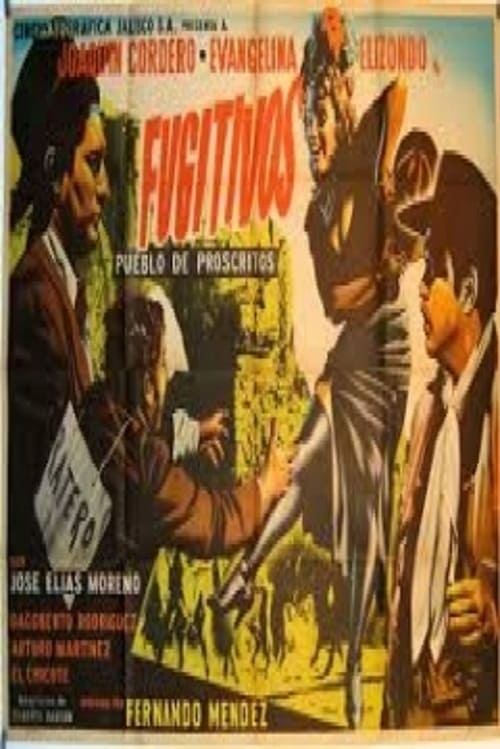
Fernando Méndez
Runtime
100 minutes
Average Rating
No ratings yetNew Showbiz Analysis
Fernando Méndez uses the Mexican studio system to provide a perspective on social structures that diverges from Hollywood's mainstream. The film's strength lies in its critique of state authority and its departure from the homogeneous white settler narratives common in American Westerns. While the film offers a meaningful ethnic framework through its focus on 'proscritos,' it remains limited in specific identity-based representation. The narrative structure heavily relies on the genre's period-specific social conventions, particularly regarding gender and sexual orientation. Ultimately, the film explores social restructuring. It replaces centralized legal institutions with a self-policing model community, offering a nuanced look at how underrepresented groups organize outside of established hierarchies.
Category Breakdown
The film does not explicitly feature LGBTQ+ characters or narratives. Instead, it adheres to the typical social norms of mid-century outlaw stories.
The story centers on male convicts forming a community, possibly involving domestic duties. However, there is no indication of women taking leading roles or challenging gender hierarchies.
As a Mexican production, the film challenges Anglo-centric frontier narratives. It highlights a diverse community of underrepresented individuals and outlaws.
The plot criticizes institutional authority by depicting convicts creating an autonomous society. It favors localized, communal autonomy over centralized, state-driven order and traditional legal systems.
There is no information about the inclusion or portrayal of characters with physical or neurodivergent disabilities.
Present on Screen
Limited or Absent
Official Synopsis
After breaking out of jail, a group of convicts finds a ghost town they can take possession of. They send word out along the grapevine that criminals and marginal people can make a home there... and as the population grows, their self-policing efforts turn the whole town into a model community.
1965
1966
1971
1959
1970
1935
1951
1955
No reviews yet. Be the first to share your thoughts on this movie!
Use the rating form above to leave a star rating and optional review.