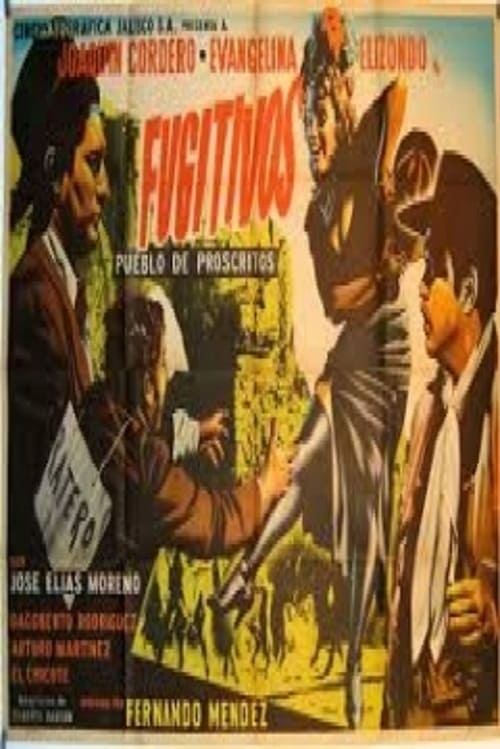
Fugitivos: Pueblo de proscritos
1955
No user ratings available yet
Representation score: 4.8 out of 10
Representation Score
Limited
1965
Director
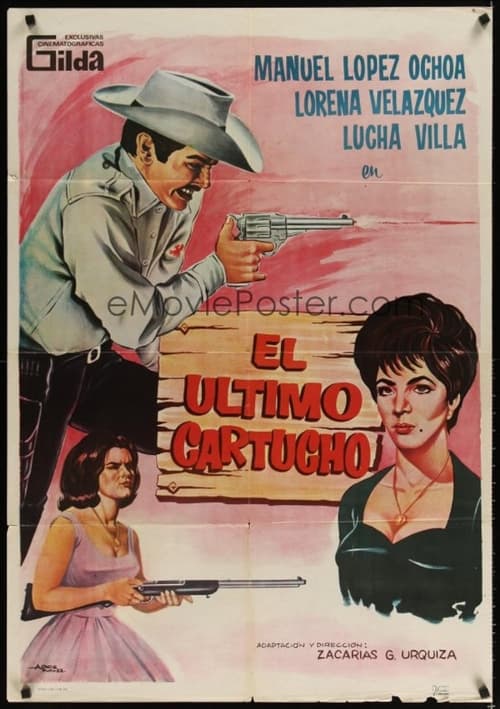
Zacarías Gómez Urquiza
Runtime
105 minutes
Average Rating
No ratings yetNew Showbiz Analysis
El último cartucho is a critique of institutional integrity rather than a study of diverse identities. Its narrative strength lies in its skepticism of established power, portraying a community that rejects corrupt authority to create its own social order. While the film offers a compelling look at systemic corruption and improvised justice, it lacks meaningful representation across most identity categories. The focus remains strictly on the political and socioeconomic struggles of the townspeople. Ultimately, the work functions as a socio-political commentary. It prioritizes themes of anti-authoritarianism and communal action over a diverse array of character-driven identity arcs.
Category Breakdown
The film does not include any characters or stories related to LGBTQ+ individuals. The plot focuses solely on socioeconomic conflicts and government corruption.
The story centers around a community's collective political action against corrupt officials. However, it is unclear whether the film challenges or upholds traditional gender roles.
The film likely reflects the demographic makeup of its 1965 setting. There is no clear indication of diverse casting or the disruption of ethnic hierarchies.
The film challenges the legitimacy of institutions by presenting banditry as a means for social justice. This anti-authoritarian stance critiques established legal and governmental systems.
There is no evidence of characters with disabilities having significant roles or ability to act in the narrative.
Present on Screen
Limited or Absent
Official Synopsis
Dishonest business practices and corrupt local government lead a large number of townsfolk to set up an alternative village out in the countryside, from which to practice banditry and improvised social justice.
1955
1978
1960

1957
1951
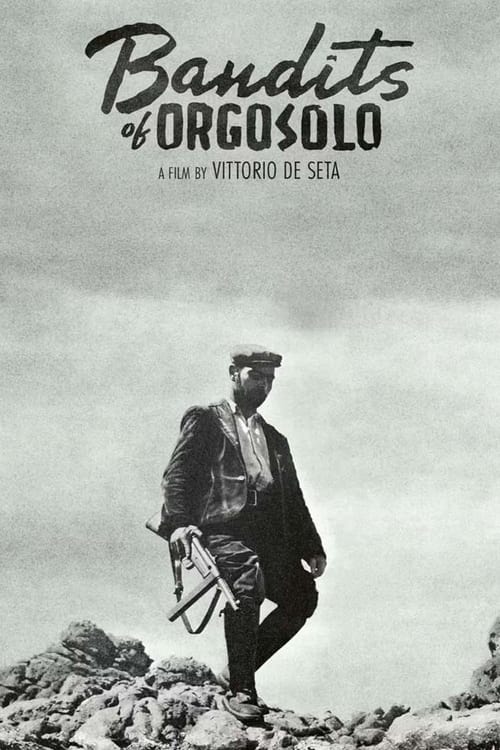
1961
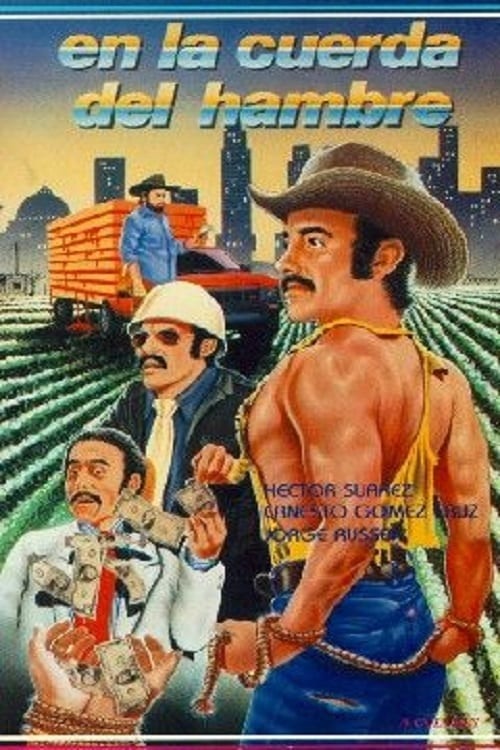
1979
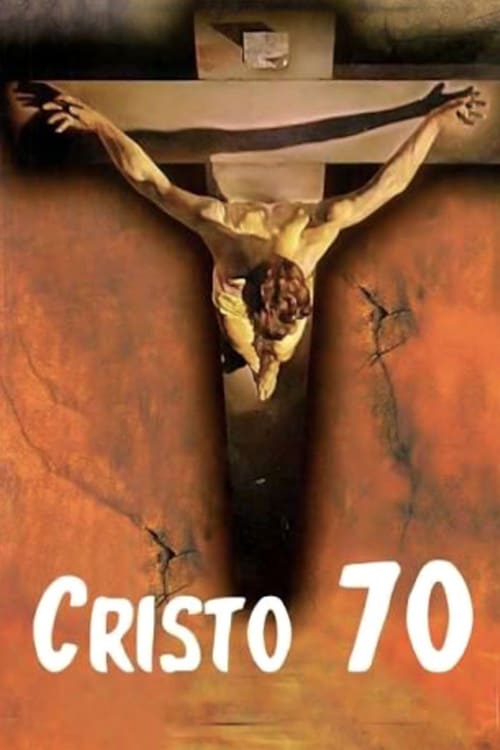
1970
No reviews yet. Be the first to share your thoughts on this movie!
Use the rating form above to leave a star rating and optional review.