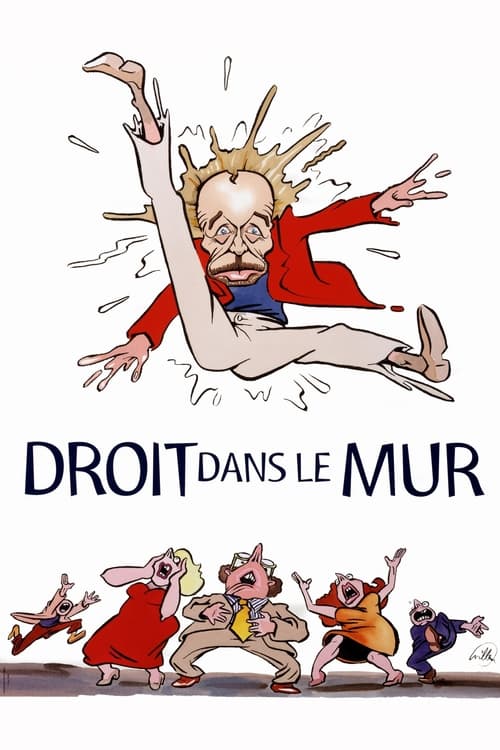
Droit dans le mur
1997
No user ratings available yet
Diversity score: 3.1 out of 10

1973
Director
Yves Robert
Runtime
96 minutes
Average Rating
No ratings yetSynopsis
Marcello Mastrioanni stars as aging actor Nicolas whose career has dwindled to TV commercials. Seeking an anchor in his life, Nicolas attempts a reconciliation with his ex-wife. But in this, as in his professional life, Nicolas is doomed to disillusionment and failure.
Overall Score
Limited
Category Breakdown
LGBTQ+ Representation
The film lacks explicit evidence of non-cisnormative identities. The narrative focuses on a traditional, fractured marital reconciliation rather than critiquing heteronormativity.
Gender Representation
The story centers on a male protagonist's struggle with ego and professional decline. While an ex-wife drives the emotional arc, the film operates within conventional 1970s gendered dynamics.
Racial & Ethnic Diversity
This period-specific French production reflects the demographic homogeneity of mainstream European cinema in 1973. There is no indication of a diverse or non-Anglo-Saxon majority cast.
Religious & Cultural Diversity
The film challenges the romanticized Western ideal of the creative genius by portraying the artist as a figure of failure. It focuses on individual psychological struggle within modern life.
Disability Representation
No visible or invisible disabilities are central to the character arcs or plot progression in this production.
Strengths
Areas for Improvement
AI Analysis
Hail the Artist is a character study focused on professional and personal obsolescence. It deconstructs the myth of the artist by contrasting high-art prestige with the mundane reality of commercial television. The film prioritizes psychological realism over systemic representation. It explores the fragility of the human ego and the disillusionment inherent in shifting value systems during the 1970s. Ultimately, the work remains aligned with the conventional social frameworks of its era. It lacks the intersectional complexity or intentional subversion of demographic hierarchies found in more diverse modern cinema.
1997
1978

1961

1989

1993
1965

1976
1964
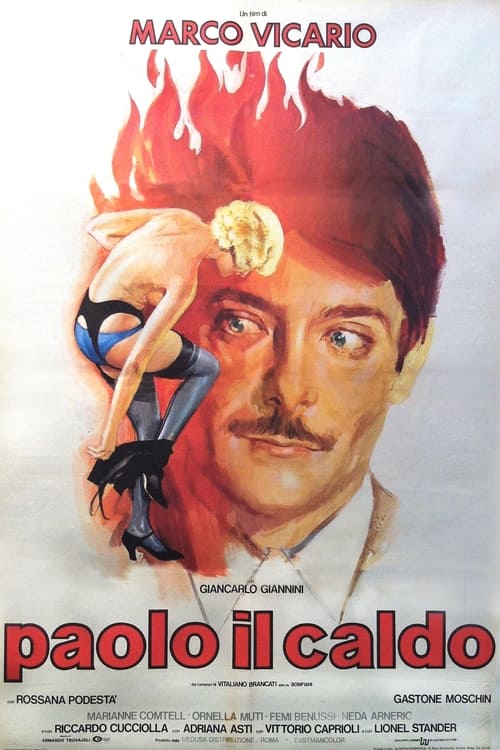
1973
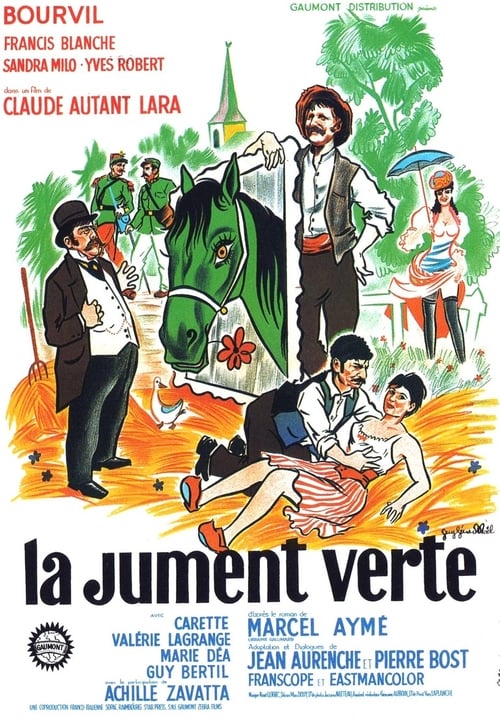
1959
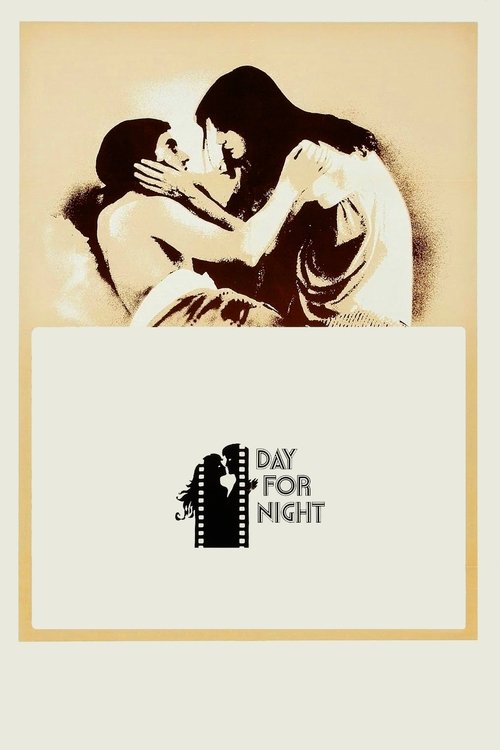
1973
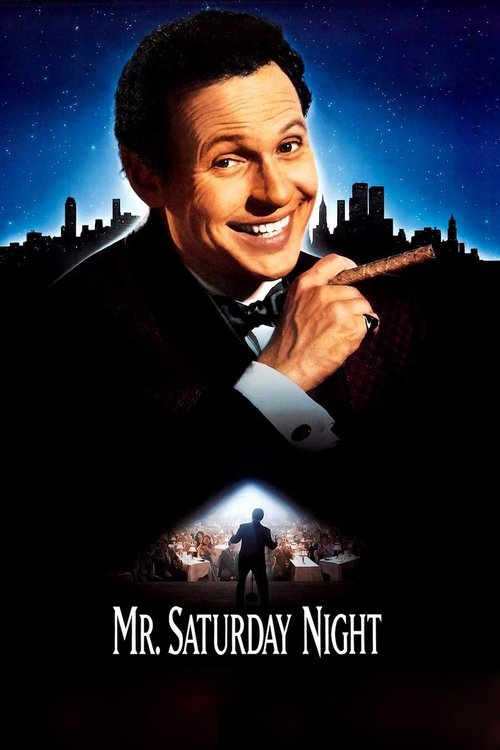
1992
No reviews yet. Be the first to share your thoughts on this movie!
Use the rating form above to leave a star rating and optional review.