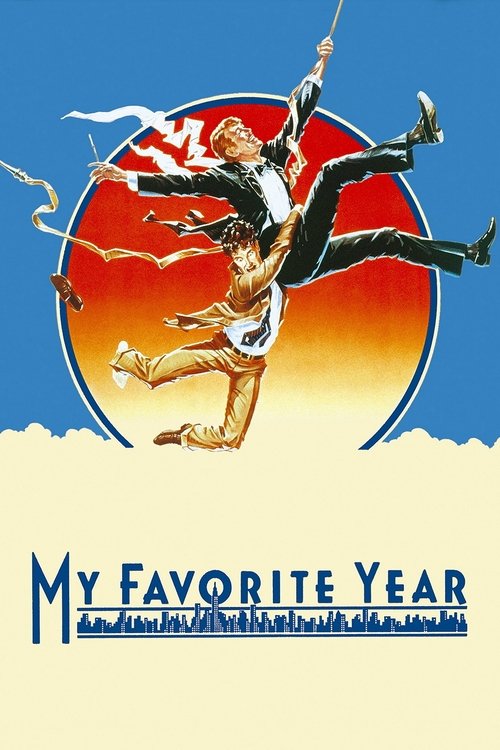
My Favorite Year
1982
No user ratings available yet
Representation score: 2.5 out of 10
Representation Score
Limited
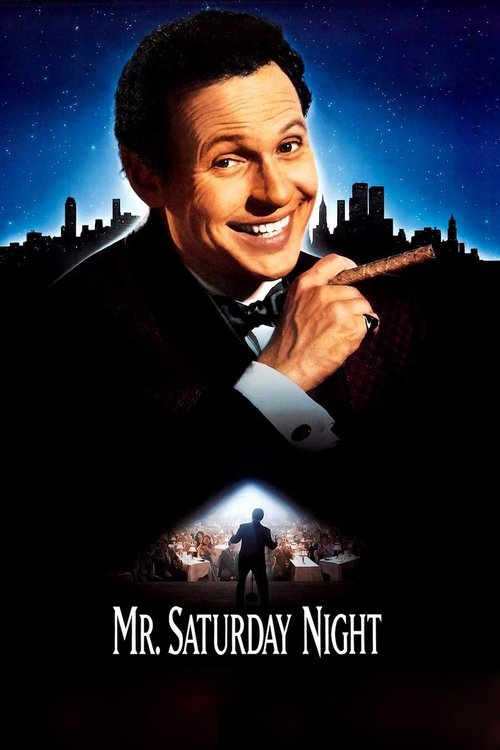
1992
RDirector
Billy Crystal
Runtime
119 minutes
Average Rating
No ratings yetNew Showbiz Analysis
Mr. Saturday Night is a nostalgic character study that prioritizes historical authenticity over social disruption. It functions as a period-accurate depiction of the mid-century New York entertainment industry, focusing on the preservation of a specific cultural legacy. The film reinforces traditional hierarchies of gender and ethnicity. While it provides a culturally specific look at Jewish-American comedy, it lacks broader representation across other social identities. Ultimately, the narrative serves as a traditionalist exploration of the American entertainment industry rather than a deconstruction of social norms.
Category Breakdown
The film adheres to a strict assumption that everyone is straight or cisgender. There are no non-traditional gender identities or same-sex relationships among the characters.
The story centers around a masculine professional identity. Although a female spouse provides a domestic anchor, women primarily play secondary, supporting roles.
The film offers an authentic glimpse into Jewish-American comedy traditions. However, the cast remains largely uniform, reflecting a specific mid-century ethnic community.
The narrative celebrates a vanishing American craft and professional discipline. It highlights individual merit and legacy without critiquing Western institutions or capitalism.
There is no significant focus on neurodivergence or physical disability. The film does not use disability as a means for character development.
Present on Screen
Limited or Absent
Official Synopsis
Buddy Young was the comic's comic, beloved by everyone. Now, playing to miniscule crowds in nursing homes, it seems like everybody but Buddy realizes that he should retire. As Buddy looks for work in show business, he realizes that the rest of the world has forgotten the golden days of Buddy Young, and that there just may not be room in the business for an old comic like himself.
1982
1992

2019
1975
1971
1986
1986

1999
No reviews yet. Be the first to share your thoughts on this movie!
Use the rating form above to leave a star rating and optional review.