
Go Chase Yourself
1938
No user ratings available yet
Representation score: 1.2 out of 10
Representation Score
Limited
1931
PassedDirector
Hobart Henley
Runtime
63 minutes
Average Rating
No ratings yetNew Showbiz Analysis
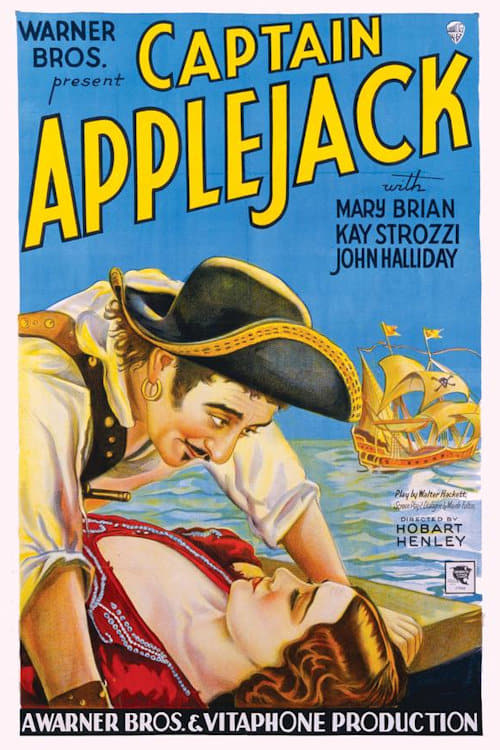
Captain Applejack is a conventional crime comedy that adheres to the typical narrative structures of the early 1930s. The story relies heavily on established clichés related to property ownership and masculine roles, offering little in the way of social critique. The film does not provide diverse or non-traditional representation, staying within the rigid social and moral frameworks of its time. It prioritizes traditional hierarchies over varied or non-normative portrayals.
Category Breakdown
The film does not include any representation of non-binary genders or sexual orientations. It follows the social norms of 1931 without challenging the idea that everyone is straight or cisgender.
The story focuses on a typical male character, emphasizing traditional masculine roles. Women do not play roles that challenge gender hierarchies or demonstrate superior intellect.
The narrative centers around a local conflict involving a man and criminals. The casting likely reflects the predominantly white demographics of early Hollywood without significant representation of people of color.
The premise is based on traditional Western ideas of property and law. It operates within the standard moral frameworks of the early sound era without questioning Western institutions.
There is no mention of characters with physical or cognitive differences in this production.
Present on Screen
Limited or Absent
Official Synopsis
An ordinary man is confronted by gangsters who have reason to believe a treasure is buried somewhere on his property.
1938

1933

1931
1940

1936

1930

1938

1904
No reviews yet. Be the first to share your thoughts on this movie!
Use the rating form above to leave a star rating and optional review.