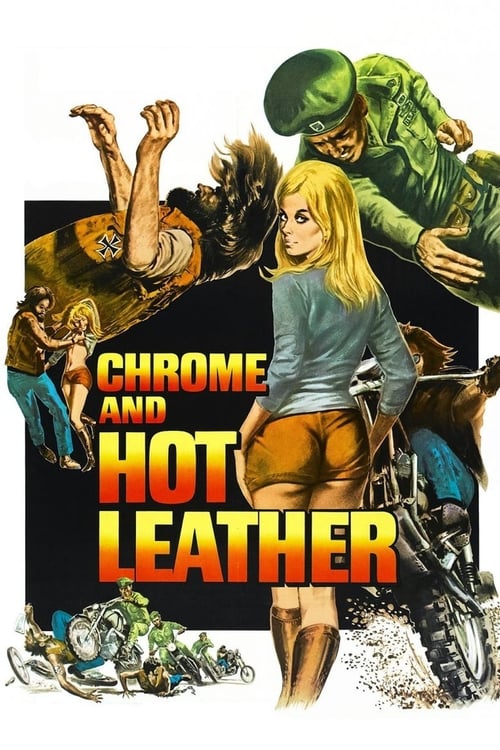
Chrome and Hot Leather
1971
No user ratings available yet
Representation score: 1.8 out of 10
Representation Score
Minimal
1970
RDirector
Jack Starrett
Runtime
95 minutes
Average Rating
No ratings yetNew Showbiz Analysis
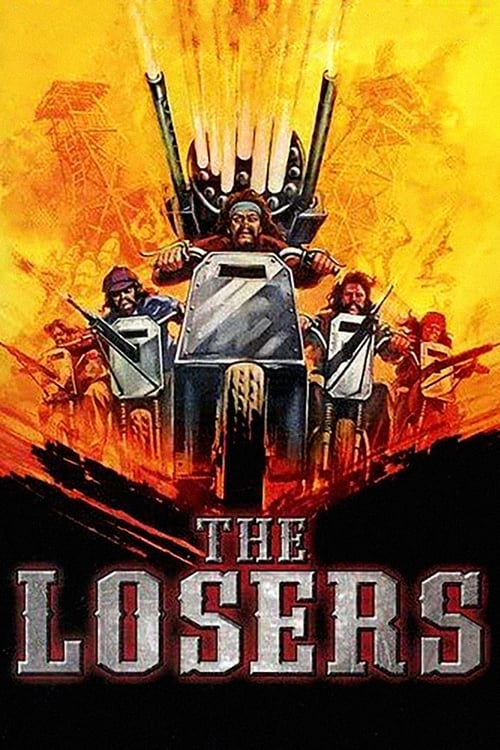
The Losers operates as a traditional 1970s exploitation film that reinforces established social hierarchies and geopolitical binaries. The narrative prioritizes visceral spectacle and period-specific archetypes over any meaningful social critique. Character power is largely concentrated within a hyper-masculine, Western-aligned male group. This creates a rigid framework where gender and racial identities primarily support a 'Us vs. Them' conflict. Ultimately, the film lacks the intentionality needed to challenge conventional expectations of identity, instead relying on the era's clichés of masculine power and military-adjacent interventionism.
Category Breakdown
The film does not include any LGBTQ+ characters or narratives that go beyond assuming everyone is straight. The storyline focuses on a male-dominated biker gang, emphasizing traditional bonds and social structures.
The story structure emphasizes a patriarchal hierarchy where men hold most of the power. Women's roles are limited to passive or transactional parts, with little influence over the main events.
The story uses ethnic identities mainly as markers for geopolitical conflicts between Western-aligned groups and the Red Chinese army. Power and ability to act remain focused on the Western protagonists.
The film upholds traditional Western values of patriotism and state-sanctioned violence. It celebrates rugged individualism and masculine camaraderie without challenging established institutions.
There is no mention of visible or invisible disabilities. The film does not portray neurodivergence or physical impairments.
Present on Screen
Limited or Absent
Official Synopsis
Some bikers are hired by the CIA during the Vietnam War to rescue a captured agent from the clutches of the Red Chinese army. After a round of drinking, fighting, and whoring around, the cycle gang, led by Big Bill Smith, fix up their Yamahas with machine guns, grenades and armor plating, and storm the enemy camp.
1971
1973
1987
1987

1985
1981
1969

2018
No reviews yet. Be the first to share your thoughts on this movie!
Use the rating form above to leave a star rating and optional review.