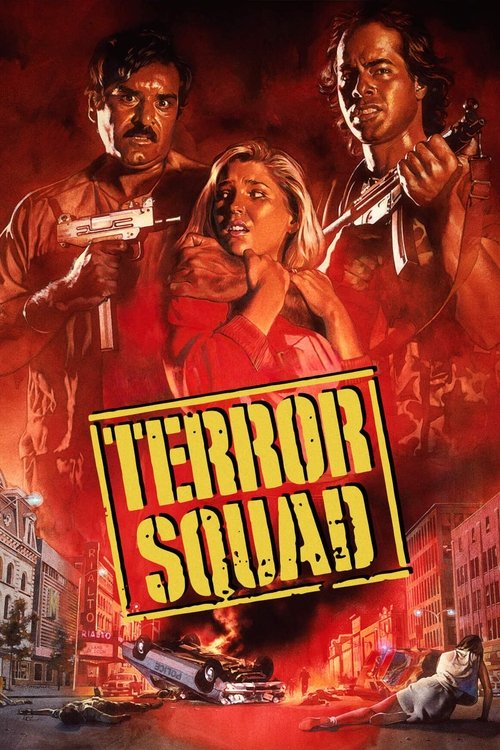
Terror Squad
1988
No user ratings available yet
Representation score: 1.0 out of 10
Representation Score
Limited
1988
RDirector
David Winters
Runtime
96 minutes
Average Rating
No ratings yetNew Showbiz Analysis
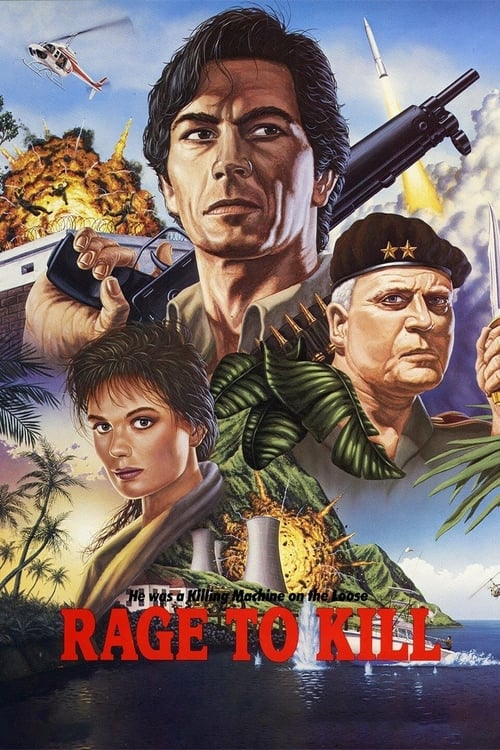
Rage to Kill is a typical 1980s action-thriller that emphasizes high-stakes physical conflict and geopolitical clichés. The narrative is heavily centered on masculine-coded heroism and traditional power struggles. The film lacks meaningful representation across most social categories. It relies on established genre conventions, such as the lone hero thwarting a global threat, which limits its capacity for nuanced social commentary. While the Caribbean setting provides a backdrop of post-colonial tension and geopolitical instability, the story remains focused on the central male protagonist and the machinations of military and political interests.
Category Breakdown
The film does not include any visible LGBTQ+ characters or non-cisgender identities. It focuses on a traditional action framework centered around masculine-coded conflict.
The story is driven by male characters, particularly the protagonist Blaine Striker and the antagonist General Turner. There is no evidence of women's ability to drive the story or subversion of gender hierarchies.
The Caribbean setting suggests a diverse backdrop of post-colonial tension. However, the narrative focus remains on the protagonist and geopolitical interests rather than exploring multi-layered depth.
The plot uses Cold War-era clichés involving revolutionary movements and external military interests. It follows a standard Western hero archetype without critiquing institutions.
No characters navigate physical or neurodivergent disabilities. Physical trauma, such as electrotorture, serves as a plot device for resilience rather than a nuanced exploration of disability.
Present on Screen
Limited or Absent
Official Synopsis
Race-car driver Blaine Striker grows concerned about his younger brother, a student at a medical school on the Caribbean island of St. Heron. General Turner has led a violent coup on this island and may be planning to blow up the school in order to blame the destruction on counterrevolutionaries. Striker infiltrates St. Heron, is captured, stripped to his tighty-whiteys, and electrotortured. He escapes, joins forces with the counterrevolutionaries, and foils a plot to assemble Russian missiles on the island.
1988
1973
1982
1980
1990
1995
1979
1981
No reviews yet. Be the first to share your thoughts on this movie!
Use the rating form above to leave a star rating and optional review.