
Scorpion
1986
No user ratings available yet
Representation score: 1.7 out of 10
Representation Score
Minimal
1982
RDirector
Ian Sharp
Runtime
125 minutes
Average Rating
No ratings yetNew Showbiz Analysis
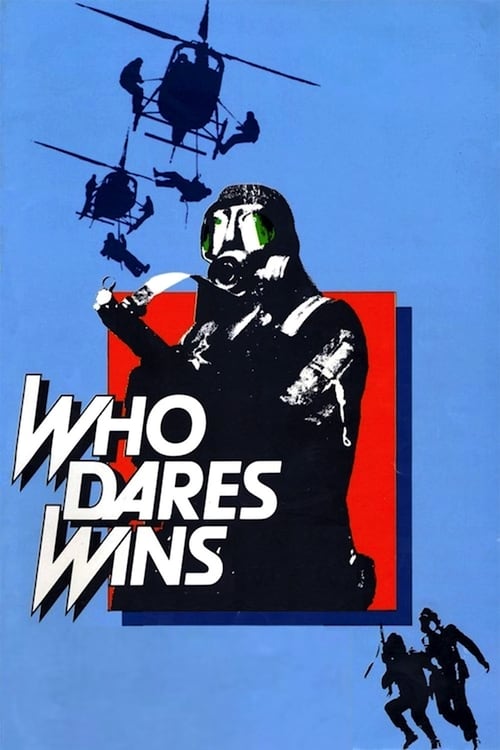
Who Dares Wins is a conventional 1982 action-thriller that relies heavily on the established cinematic hierarchies of its era. The story is built around traditional clichés of masculinity and Western institutionalism, focusing on the violent capabilities of male protagonists and antagonists. The film lacks intentionality regarding the way different parts of someone's identity overlap. It functions as a standard genre piece where the preservation of state security serves as the central objective, reinforcing a homogeneous and Anglo-centric worldview. Ultimately, the film provides little room for diverse perspectives, instead prioritizing a narrow focus on paramilitary dynamics and traditional power structures.
Category Breakdown
The film does not include any LGBTQ+ characters or non-cisgender identities. It adheres to the assumption that everyone is straight or cisgender, which is typical of early 1980s action cinema.
Women have minimal presence and ability to act in the film, which focuses almost entirely on male competence and aggression. The plot centers on male-driven actions and competencies, leaving little room for female characters to take significant roles.
The cast and setting appear largely homogeneous, reflecting an Anglo-centric storytelling style. There is no significant evidence of characters of color in positions of high ability to act or influence.
The narrative follows a standard conflict model focused on Western institutional stability. It pits state security against a fanatical group without exploring complex cultural perspectives or viewpoints.
There is no evidence of visible or invisible disabilities integrated into character arcs. Characters are defined primarily by their physical utility in action sequences.
Present on Screen
Limited or Absent
Official Synopsis
When SAS Captain Peter Skellen is thrown out of the service for gross misconduct due to unnecessary violence and bullying, he is soon recruited by The People's Lobby, a fanatical group aiming to hold several US dignitaries hostage. But Skellen's dismissal is a front to enable him to get close to the terrorist group. Can he get close enough to stop the Lobby from creating an international incident?
1986

1973
1988
1980

1985

1977

1988
1981
No reviews yet. Be the first to share your thoughts on this movie!
Use the rating form above to leave a star rating and optional review.