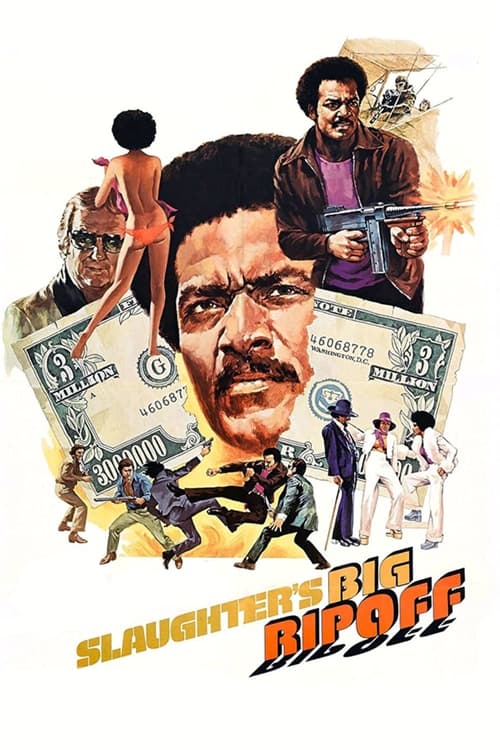
Slaughter's Big Rip-Off
1973
No user ratings available yet
Diversity score: 2.9 out of 10

1986
RDirector
Fred Olen Ray
Runtime
86 minutes
Average Rating
No ratings yetSynopsis
One of Tanaka's underlings has stolen a rare statuette that he had planned to use as a peace offering between the local Yakusa and Chinese Tong. He hires two private investigators to exchange ransom money to recover the statuette, but the trade goes down bad and Clay Roth is killed. This angers Roth's brothers and father, all combat veterans, and they go after the people responsible
Overall Score
Limited
Category Breakdown
LGBTQ+ Representation
The film operates within a standard heteronormative framework. There are no LGBTQ+ characters or non-cisnormative identities present in the narrative.
Gender Representation
The story centers on a male-dominated familial unit of combat veterans. It lacks female agency, focusing instead on patriarchal lineage and masculine retribution.
Racial & Ethnic Diversity
The plot involves Yakuza and Chinese Tong organizations, providing some ethnic variety. However, the perspective remains firmly centered on Western protagonists.
Religious & Cultural Diversity
The narrative follows traditional Western action tropes and vigilante themes. It prioritizes familial loyalty and combat-driven justice over complex cultural critiques.
Disability Representation
There is no discernible focus on physical disabilities or neurodivergence. Characters are defined primarily by their physical combat capabilities.
Strengths
Areas for Improvement
AI Analysis
Armed Response is a quintessential 1980s action thriller that prioritizes kinetic pacing and traditional hero archetypes. The narrative is driven by a male-centric plot of familial retribution, which reinforces conventional gender hierarchies and patriarchal structures. While the film introduces multicultural elements through the inclusion of Yakuza and Chinese Tong criminal factions, these groups primarily serve as plot devices for the Western protagonists. The ethnic variety is limited to the antagonist landscape rather than providing deep, high-agency character development. Ultimately, the film adheres strictly to the social and narrative norms of its era. It functions as a standard genre piece that favors traditional masculine archetypes over the inclusion of marginalized identities or the disruption of systemic hierarchies.
1973
1974
1996
1992
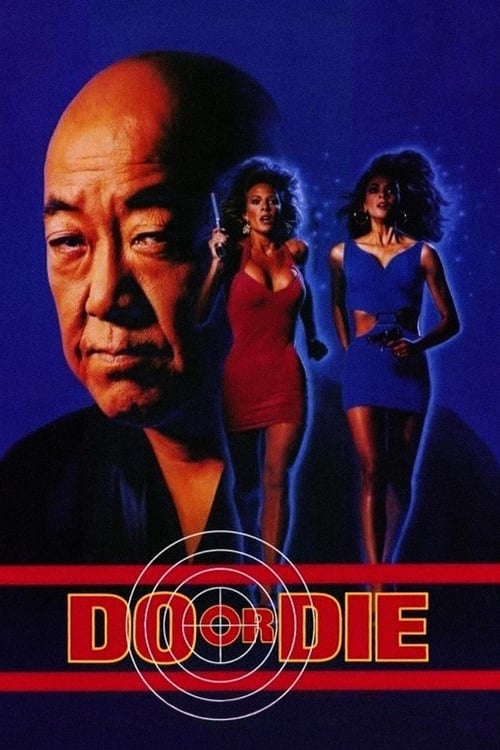
1991
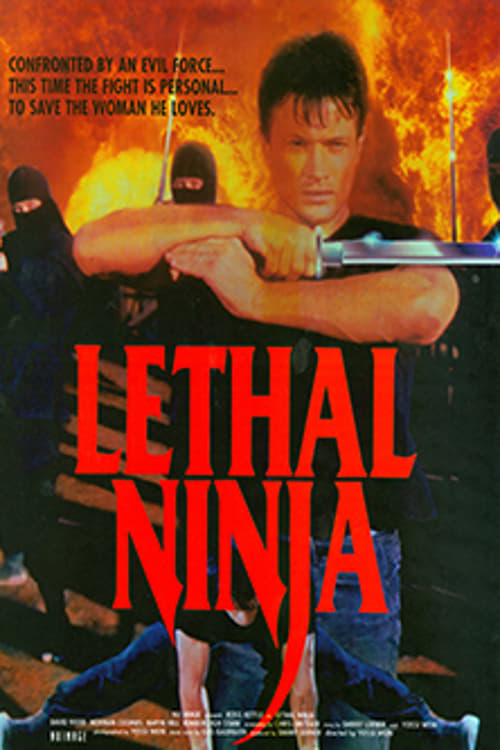
1992
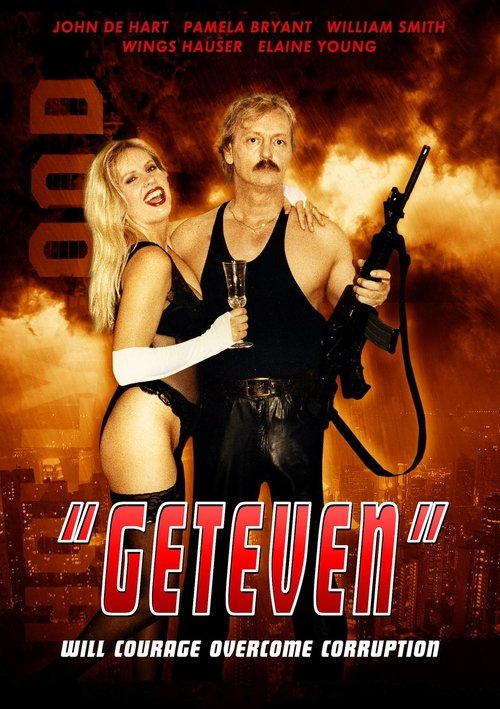
1993

1995
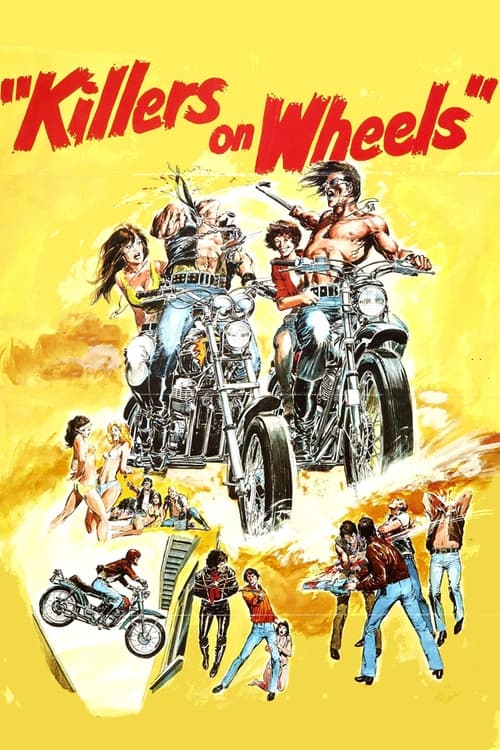
1976
1972
1981
1974
No reviews yet. Be the first to share your thoughts on this movie!
Use the rating form above to leave a star rating and optional review.