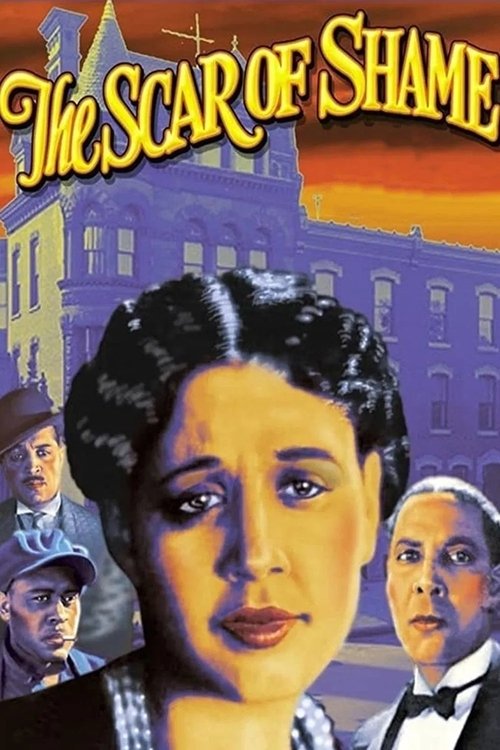
Stella Dallas
1925
No user ratings available yet
Representation score: 1.2 out of 10
Representation Score
Limited
1929
PassedDirector
Frank Perugini
Runtime
86 minutes
Average Rating
No ratings yetNew Showbiz Analysis
The film's most notable achievement is its racial representation. By showcasing a Black protagonist in a high-socioeconomic, professional role, it challenges the era's standard cinematic hierarchies. However, the narrative remains tied to conventional social dynamics. The reliance on a male savior cliché and a focus on class-based domesticity limits its progressive impact. Ultimately, while it breaks racial stereotypes of the 1920s, it maintains traditional gender and class structures.
Category Breakdown
The film does not include any characters with non-binary gender identities or same-sex relationships. It focuses solely on a traditional heterosexual relationship.
The story revolves around a male character who acts as a savior for a female lead. Despite her gaining status, the power dynamic adheres to traditional chivalric clichés.
By featuring an educated, upscale Black musician, the film challenges the 1920s norm of confining characters of color to stereotypical roles. This portrayal highlights a more nuanced and professional depiction.
The story delves into class mobility and socioeconomic tension. However, it upholds traditional social structures through a focus on individual upward mobility and domestic stability.
The narrative does not address characters dealing with physical or neurodivergent identities.
Present on Screen
Limited or Absent
Official Synopsis
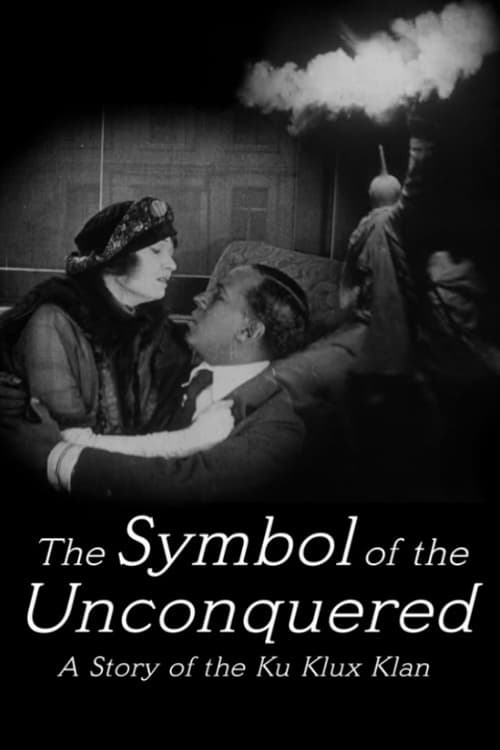
An educated, upscale young black musician marries a woman from a lower socioeconomic class to get her out of the clutches of her stepfather.
1925

1920

1929

1920
1938

1930
1920
1920
No reviews yet. Be the first to share your thoughts on this movie!
Use the rating form above to leave a star rating and optional review.