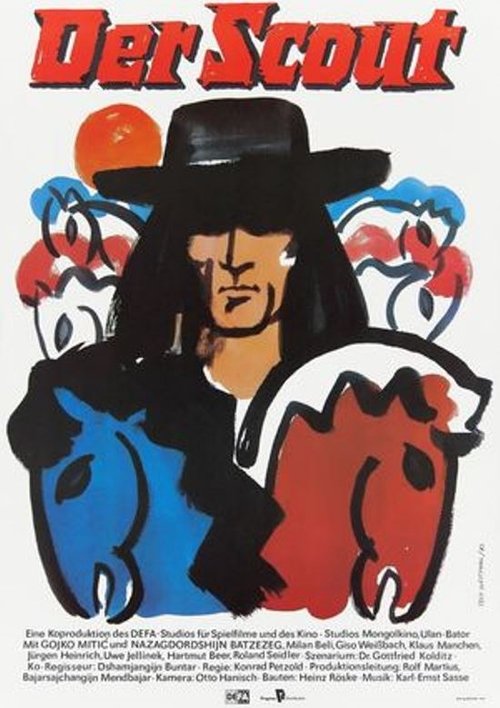
The Scout
1983
No user ratings available yet
Representation score: 3.5 out of 10

Representation Score
Limited
2003
PG-13Director
Paul Winters
Runtime
95 minutes
Average Rating
No ratings yetNew Showbiz Analysis
The film opens with the ruins of the American South in 1865, a landscape where the old order has collapsed but the new one is still being written. Paul Winters’ Nate and the Colonel uses this liminal space to stage a conversation between a former slave and his former owner, two men who must navigate the Western Plains together. The sold meaning is one of reconciliation and shared humanity, but the camera’s gaze remains firmly fixed on the men’s internal struggles and external threats. The film’s argument is that personal loyalty can transcend the rigid hierarchies of race and nation. Nate and Ben’s friendship is the moral center, but it is tested by the renegade Union Cavalry and the complex dynamics with the Chippewa band. The Chippewa are not mere obstacles but active participants in the story, their presence adding a layer of cultural complexity to the narrative. However, the film’s progressive impulses are tempered by its reliance on traditional Western tropes, where the frontier is a space of danger and opportunity, and the men’s journey is one of survival and self-discovery. The ending is a moral verdict on the possibility of a new social order. Nate and Ben’s survival is not just a personal triumph but a statement about the potential for a more just society. The film does not shy away from the brutality of the era, but it ultimately affirms the value of human connection and the possibility of change. The last image is one of hope, but it is a hope that is hard-won and fragile, reflecting the uncertain future of the post-Civil War South.
Category Breakdown
No queer intimacy or identity appears. The film relies on heterosexual bonds and familial ties typical of the Western genre. Social dynamics remain strictly binary and traditional.
Women appear only as background figures like Rain Basket. They lack named agency or dialogue. The narrative centers on male competence, military hierarchy, and friendship, leaving female roles passive.
A former slave and Confederate officer form the central friendship. This challenges the era’s rigid racial binaries. Chippewa characters are integrated as allies, though their roles remain secondary to the protagonists.
The film critiques post-war Southern ruin and Union brutality. It positions the frontier as a space for new social contracts. Personal loyalty is affirmed over institutional allegiance, questioning traditional military authority.
No characters display physical, mental, or sensory impairments. The film’s physical challenges are environmental and martial. Disability is entirely absent from the cast and plot.
Present on Screen
Limited or Absent
Official Synopsis
The year is 1865, and the American Civil War has just ended. Former slave Nate Washington and his boyhood friend, Confederate Colonel Ben Loftin head west together from the South which lies in ruins. On the Western Plains, they encounter a band of Chippewa Indians who will forever change their lives. Along the way, they must deal with a renegade band of Union Cavalry with a score to settle.
1983
1969
1993
1952
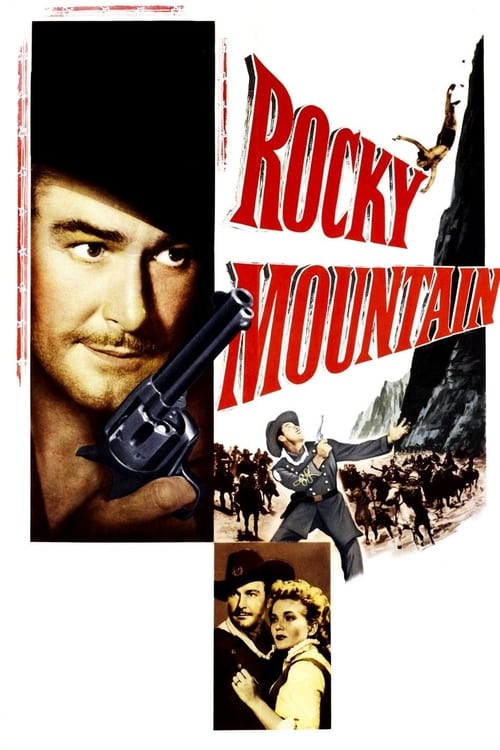
1950
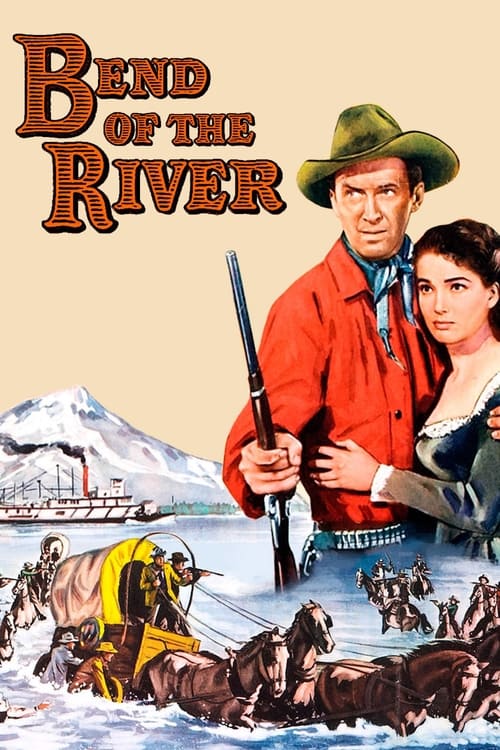
1952
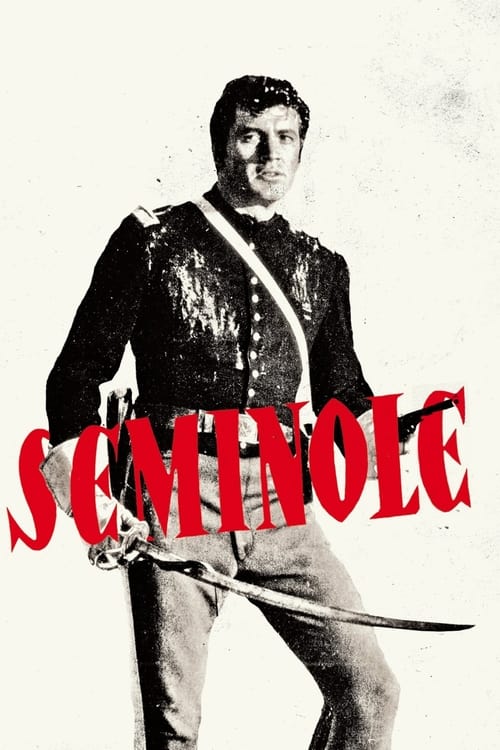
1953
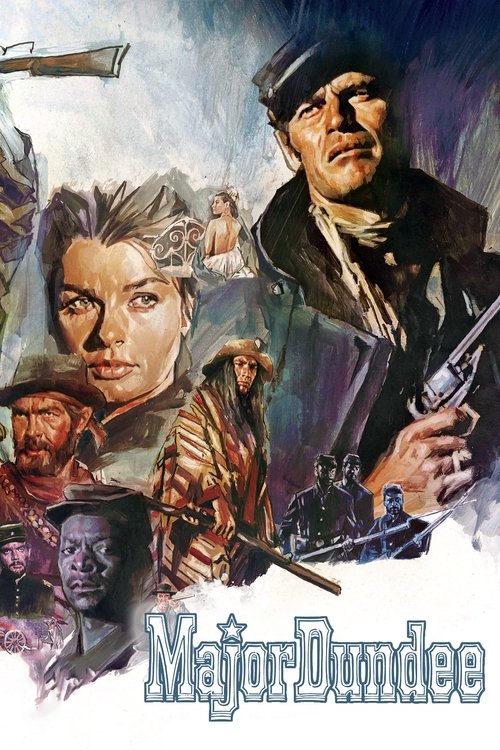
1965
No reviews yet. Be the first to share your thoughts on this movie!
Use the rating form above to leave a star rating and optional review.