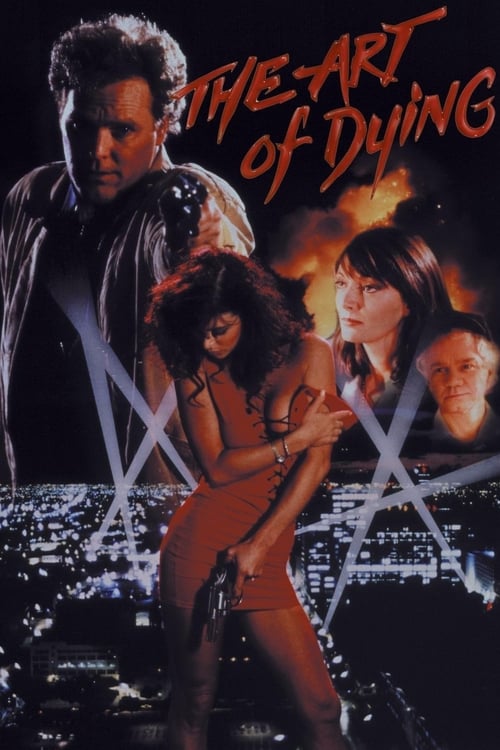
The Art of Dying
1991
No user ratings available yet
Representation score: 1.4 out of 10
Representation Score
Limited
1990
RDirector
Wings Hauser
Runtime
84 minutes
Average Rating
No ratings yetNew Showbiz Analysis
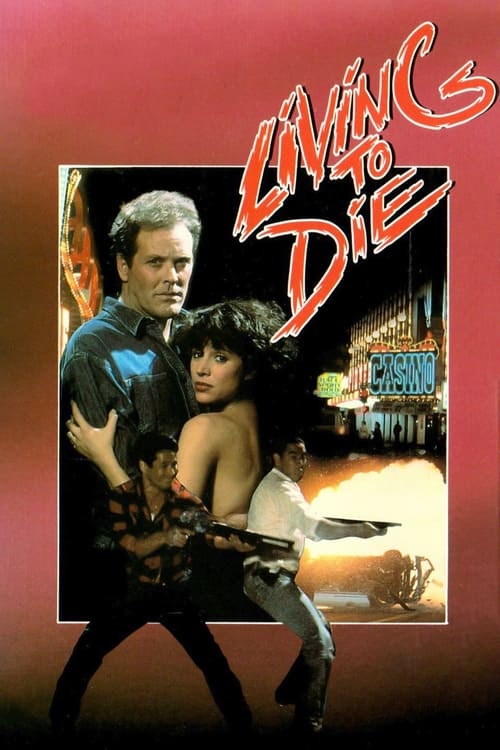
Living To Die is a conventional 1990s crime thriller that adheres strictly to established genre clichés. The narrative focuses on a solitary, burned-out protagonist, reinforcing traditional masculine archetypes rather than challenging them. The film lacks diversity in gender, race, and sexual orientation, focusing instead on a narrow focus on individualistic morality and crime. Ultimately, the production reflects the demographic homogeneity and social conservatism common in mainstream crime cinema of its era, prioritizing genre conventions over progressive storytelling.
Category Breakdown
The film operates within a traditional framework that assumes everyone is straight or cisgender. There is no evidence of LGBTQ+ characters or narratives that question established social norms.
The story centers on a masculine, stoic private detective archetype. It relies on conventional gender roles without providing evidence of women's ability to drive the story or subverted power dynamics.
While set in Las Vegas, the narrative follows a standard noir trajectory. It lacks a non-white majority cast or efforts to disrupt casting norms that assume everyone is white.
The film functions as a character study within a standard genre framework. It does not prioritize secularism or the deconstruction of Western institutions.
There is no discernible evidence regarding the portrayal of physical or neurodivergent disabilities in this work.
Present on Screen
Limited or Absent
Official Synopsis
A burned-out private detective in Las Vegas gets involved in blackmail and murder.
1991

1991
1990

1989

1997

1993
1984
1996
No reviews yet. Be the first to share your thoughts on this movie!
Use the rating form above to leave a star rating and optional review.