Out on Bail
1989
No user ratings available yet
Representation score: 1.2 out of 10
Representation Score
Minimal
1990
RDirector
Tim Spring
Runtime
97 minutes
Average Rating
No ratings yetNew Showbiz Analysis
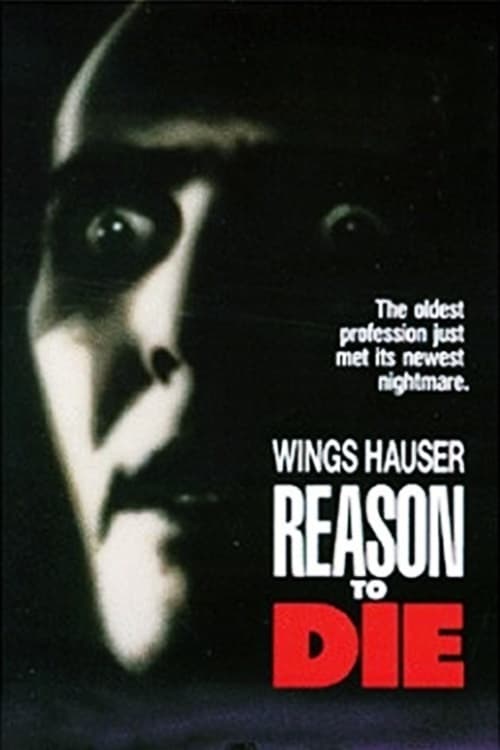
Reason to Die operates within the standard boundaries of 1990s action-thriller cinema. The plot follows a predictable crime-thriller framework, focusing on a police officer's tactical scheme to catch a serial killer. The film lacks complexity in addressing multiple aspects of identity, relying instead on established genre clichés. It prioritizes traditional law-and-order narratives and conventional gender roles, offering little disruption to social hierarchies. Due to limited character descriptions, the film’s approach to racial and disability representation remains unverified, though the existing narrative structure suggests a focus on mainstream, straight-centered storytelling.
Category Breakdown
The film focuses on a heterosexual relationship between a male cop and his girlfriend. There are no visible LGBTQ+ characters or critiques of heterosexuality.
The story relies on traditional gender stereotypes. The female character is portrayed as a passive figure within the male protagonist's plan, reinforcing conventional gender hierarchies.
The film does not explicitly address racial diversity. There is no indication of race-bent casting or the use of non-white majority casts to challenge norms.
The plot follows typical police procedural conventions. It emphasizes individual heroism and law enforcement, without offering any institutional or secularist critique.
The narrative does not provide any information about characters with physical or neurodivergent disabilities.
Present on Screen
Limited or Absent
Official Synopsis
A cop sets up his girlfriend as a target in order to trap a serial killer.
1989

1989
1998

1991

1998

1988
1989
1978
No reviews yet. Be the first to share your thoughts on this movie!
Use the rating form above to leave a star rating and optional review.