Find another title
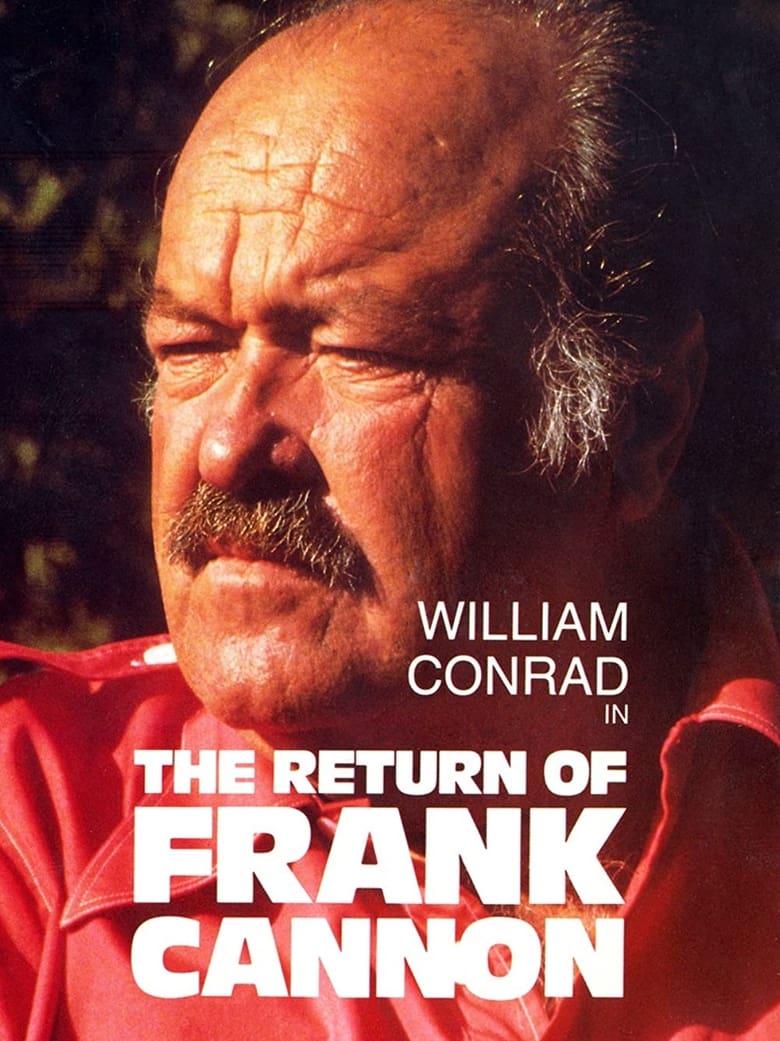
The Return of Frank Cannon
1980
NRDirector
Corey Allen
Runtime
96 minutes
Average Rating
No ratings yetSynopsis
Private detective Frank Cannon comes out of retirement to investigate an old friend and Army Intelligence colleague's death, which has been ruled a suicide, but which smells like murder.
Where to Watch
Diversity & Representation
Overall Score
Limited
Category Breakdown
LGBTQ+ Representation
The film lacks any evidence of non-cisnormative identities. It follows a conventional investigative structure that provides no space for queer visibility or the deconstruction of gendered social norms.
Gender Representation
The story centers on a male private detective, reinforcing a traditional masculine leadership model. Female characters likely occupy secondary or supportive roles rather than driving the primary investigation.
Racial & Ethnic Diversity
The narrative appears to reflect the homogeneous casting standards of early 1980s television. It likely prioritizes Anglo-centric perspectives without significant evidence of intersectional depth or diverse casting.
Religious & Cultural Diversity
The plot reinforces traditional Western institutional frameworks like the military and law enforcement. It focuses on individual justice within existing systemic structures rather than deconstructing these institutions.
Disability Representation
There is no mention of characters navigating neurodivergence, physical disabilities, or mental health conditions. The film lacks meaningful representation regarding these specific themes.
Strengths
- The film provides a clear, focused investigative structure centered on a professional private detective.
Areas for Improvement
- The narrative lacks representation for LGBTQ+ identities and neurodivergent or disabled characters.
- The casting and cultural themes appear limited to traditional, Anglo-centric Western perspectives.
- Female characters lack significant investigative agency, appearing instead in secondary roles.
AI Analysis
The Return of Frank Cannon operates strictly within the traditionalist, genre-specific conventions of 1980s crime procedurals. The narrative prioritizes standard hero tropes and institutional stability over the inclusion of marginalized perspectives. By focusing on a male-led investigation into military intelligence, the film adheres to established masculine leadership models. This approach reinforces existing social hierarchies rather than challenging them through diverse character arcs. Ultimately, the production functions as a standard procedural. It lacks the narrative architecture required to address intersectional identities, disability, or non-normative social structures.
Rate this Movie
Reviews
No reviews yet. Be the first to share your thoughts on this movie!
Use the rating form above to leave a star rating and optional review.